
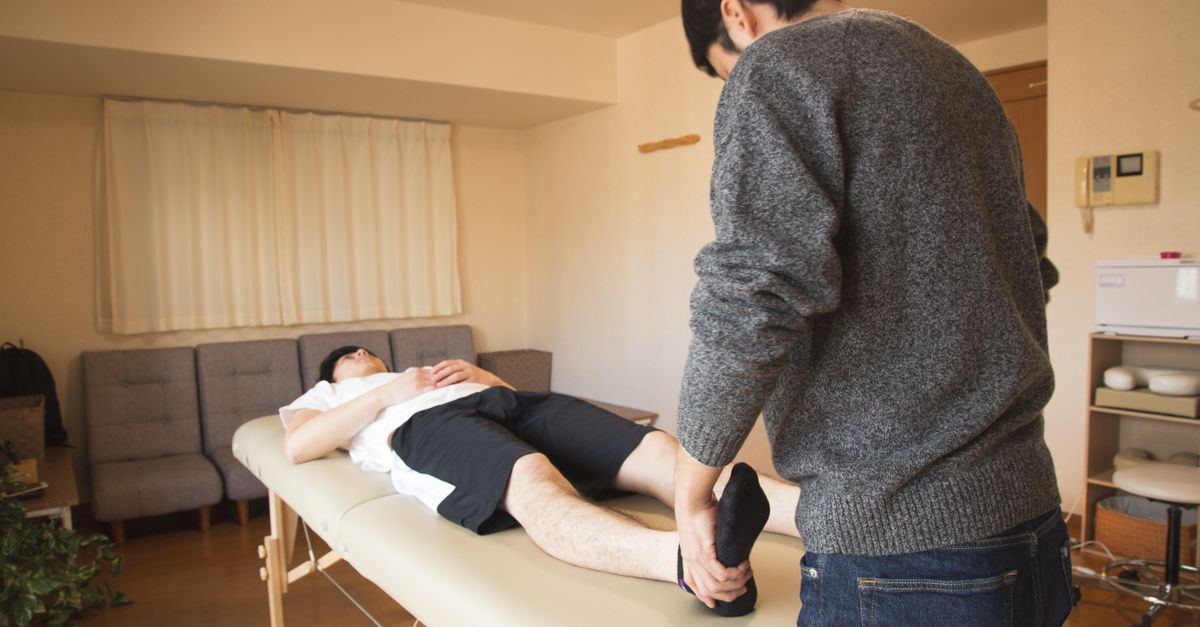
That first step out of bed shouldn't feel like stepping on a bruise. Yet for many people, a deep ache or sharp pull along the arch of the foot turns ordinary moments, such as walking the dog, standing at work or chasing the kids, into something to dread. Arch pain is common, it is rarely something you simply have to live with, and understanding where it comes from is the first step toward feeling better.
What Is Arch Pain?
The arch is the curved area on the inside of the middle of your foot. It is formed by bones, ligaments, tendons and a thick band of tissue called the plantar fascia. Together they act like a spring, absorbing shock and helping push you forward with each step. When any part of this system is overloaded, inflamed or injured, the result is arch pain. It may feel like burning, stiffness, aching, or a stabbing sensation, and it can occur in one foot or both.
Common Causes
Several conditions can lead to pain in the arch. Some of the most frequent include:
- Plantar fasciitis: irritation of the plantar fascia, often felt as heel or arch pain that is worst with the first steps in the morning.
- Flat feet (fallen arches): an arch that is low or collapses with weight bearing can strain the surrounding tissues.
- High arches: a rigid, high arch absorbs shock poorly and places extra pressure on parts of the foot.
- Posterior tibial tendon dysfunction: weakness or inflammation of the tendon that supports the arch.
- Overuse and stress injuries: sudden increases in activity can overload the foot, and in some cases lead to stress fractures.
- Unsupportive footwear: worn-out, flat or overly flexible shoes can leave the arch unprotected.
Who Is Most Affected?
Arch pain can affect nearly anyone, but certain factors raise the likelihood. Runners and people who stand for long hours on hard surfaces place repeated stress on the arch. Excess body weight increases the load the foot must carry. Pregnancy can loosen ligaments and change how the foot bears weight. Age also plays a role, since tendons and the natural cushioning in the foot change over time. Structural traits like flat feet or high arches are often inherited, and conditions such as arthritis or diabetes can also influence foot health.
Why It Matters
It is tempting to push through foot pain, but ignoring it can backfire. When the arch hurts, many people unknowingly change the way they walk. That altered gait can shift stress to the heel, knee, hip or lower back, creating new problems elsewhere. Clinical guidance for plantar heel and arch pain generally supports early, conservative care, since most people improve with non-surgical measures when treatment starts before the problem becomes long-standing.
What You Can Do at Home
For mild arch pain, a few simple steps often help calm symptoms:
- Choose shoes with firm arch support and a cushioned, stable sole.
- Avoid walking barefoot on hard floors while your arch is sore.
- Stretch your calves and the bottoms of your feet gently each day.
- Ice the arch for 10 to 15 minutes after activity to calm irritation.
- Increase walking or running distance gradually, not all at once.
- Rest from high-impact activity and swap in swimming or cycling.
Over-the-counter supportive insoles can help some people, and anti-inflammatory medicines may ease discomfort for a short time if they are safe for you. If pain does not start improving within a couple of weeks, it is wise to have it evaluated.
When to See a Podiatrist
Seek care if your arch pain lasts more than a few weeks, keeps returning, or interferes with daily activities. Do not wait if you notice significant swelling, bruising, numbness, pain at night, trouble bearing weight, or a foot that seems to be changing shape. People with diabetes or circulation problems should have any new foot pain checked promptly.
A podiatrist can examine your foot, look at how you stand and walk, and determine which structure is causing the pain. Imaging may be recommended when needed. Treatment plans often begin with stretching and strengthening, footwear changes, and supportive inserts or orthotics, and may be adjusted from there based on your needs.
Take the First Step Toward Relief
You do not have to accept sore, tired arches as part of life. If arch pain is slowing you down, Deann Hofer Ogilvie, DPM, can help you find the cause and build a plan to get you moving comfortably again. Call Ascend Foot & Ankle Center in Lafayette, CO at (303) 537-4714 to schedule a visit.