
Sports Injuries in Lafayette
Ascend Foot & Ankle Center treats sprains, tendon problems, stress injuries and overuse pain of the foot and ankle for active people in Lafayette, CO. Deann Hofer Ogilvie, DPM focuses on an accurate diagnosis and a step-by-step plan to get you moving again.
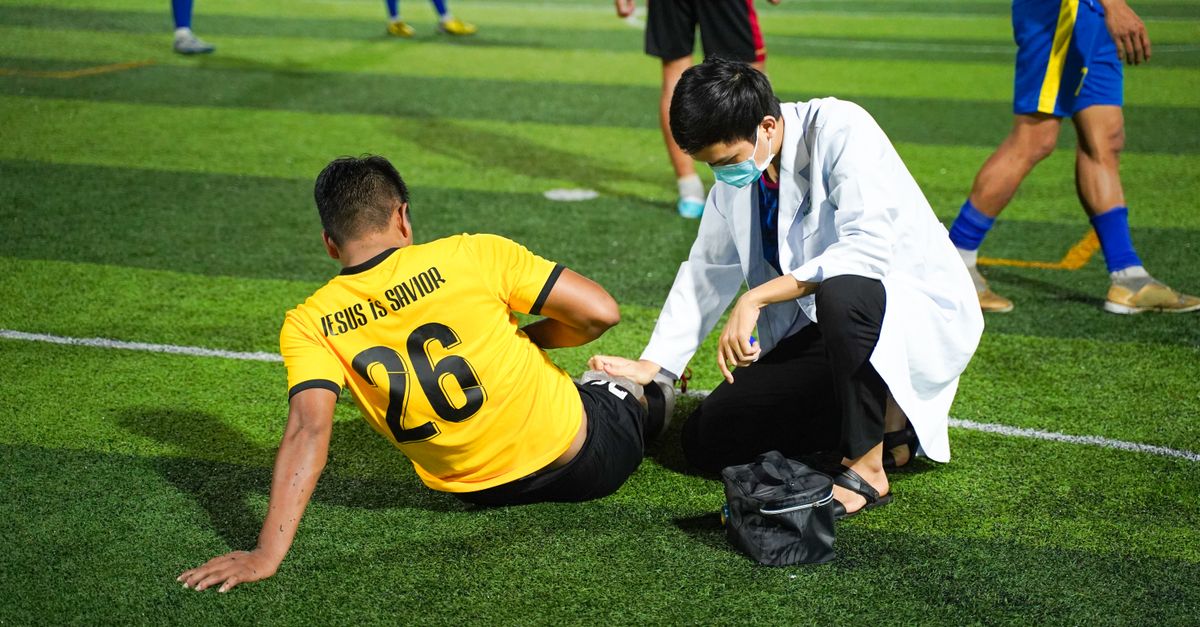
What is Sports Injuries?
A sports injury is damage to bone, ligament, tendon, muscle or other tissue that happens during athletic activity, exercise or training. In the foot and ankle, these injuries range from a sudden twist on a trail to gradual overuse problems that build over weeks of running, hiking, cycling or court sports. The foot absorbs and transmits large forces with every step, so even small changes in training or footwear can overload tissue.
Injuries tend to fall into two groups. Acute injuries, such as ankle sprains and fractures, follow a specific event. Overuse injuries, such as Achilles tendinitis, plantar fasciitis and stress fractures, develop when repeated load outpaces the body's ability to recover. Contributing factors often include a rapid increase in mileage, worn shoes, hard surfaces, foot structure and muscle imbalance.
Sports injuries affect competitive athletes, but also anyone who stays active, from recreational runners to weekend hikers and fitness class regulars. Medical literature supports early evaluation, protected loading, progressive strengthening and attention to contributing factors as the foundation of recovery. Prompt care can help prevent a minor problem from becoming a lingering one.
Common signs to watch for
- Pain in the foot, heel or ankle that starts or worsens during activity
- Swelling, bruising or tenderness after a twist, roll or impact
- A feeling of instability or "giving way" in the ankle
- Pain along the Achilles tendon or the arch, especially with first steps
- Localized bone pain that builds with running or jumping and eases with rest
- Difficulty bearing weight or returning to your usual sport or workout
What to Expect
- Thorough history and exam of the foot and ankle, with imaging such as X-ray or ultrasound when helpful
- Treatment matched to the specific injury and your activity goals
- Activity reintroduced in stages rather than guessing when it is safe
- Follow-up visits to track healing and adjust your plan
- Attention to footwear, mechanics and training load to lower the chance of recurrence
Our Approach to Sports Injuries
Initial Assessment
Your visit begins with a conversation about how the injury happened, your sport or activity, training habits, footwear and past injuries. Deann Hofer Ogilvie, DPM then examines the foot and ankle, looking at swelling, range of motion, strength, alignment, stability and the way you walk. Imaging such as X-ray or ultrasound may be recommended when it will help clarify the diagnosis.
Personalized Plan
Treatment is matched to the specific injury and to what you need to get back to. Your plan explains what to do now, what to avoid, and how activity will be reintroduced in stages, so you are not guessing about when it is safe to push again.
Ongoing Support
Follow-up visits track how the injury is responding and let your plan be adjusted as you heal. Attention shifts toward the factors that contributed to the injury, such as footwear, mechanics and training load, to lower the chance of it returning.
Benefits
Accurate Diagnosis
Examination of swelling, range of motion, strength, alignment, stability and gait, with imaging when it helps clarify the diagnosis.
Personalized Plan
Treatment is matched to the specific injury and to what you need to get back to.
Staged Return to Activity
Your plan explains what to do now, what to avoid, and how activity will be reintroduced in stages.
Prevention Focus
Attention to footwear, mechanics and training load to lower the chance of the injury returning.
What to Expect
First Visit
Evaluation, diagnosis and a clear starting plan. Many injuries begin with protection, load management and measures to calm pain and swelling.
Week 2-4
Early healing phase. Pain and swelling often start to settle, and gentle movement or strengthening may be introduced as appropriate.
Month 1-3
Progressive strengthening, balance work and a gradual return to sport. Bone and tendon injuries in particular can take several weeks or longer to recover fully.
Long-term
Focus on prevention: suitable footwear, supportive options when indicated, sensible training progression and attention to early warning signs.
Treatments that may be used
Not every injury needs the same care. Depending on your diagnosis, your plan may include one or more of the following:
Activity modification and protected loading, which may include a walking boot, brace or supportive taping
Rest, ice, compression and elevation for acute swelling and pain
Anti-inflammatory medication when appropriate
Stretching, strengthening and balance exercises to restore function
Footwear guidance and supportive inserts or orthotic devices when foot mechanics contribute
Imaging to confirm the diagnosis and rule out fracture or tendon damage
A staged return-to-sport schedule with prevention strategies
Recovery timeline note
Recovery timelines vary with the type and severity of injury, so your own schedule may differ.
Common Questions About Sports Injuries
What kinds of sports injuries affect the foot and ankle?
Common problems include ankle sprains, Achilles tendinitis, plantar fasciitis, stress fractures, peroneal tendon irritation, turf toe and shin or midfoot overuse pain. Both competitive athletes and weekend hikers, runners and cyclists can be affected.
Should I keep training while my foot or ankle hurts?
Pain that persists, worsens during activity or changes the way you walk is a signal to get evaluated. Training through certain injuries, stress fractures in particular, can make them worse and lengthen recovery. An exam can tell you what activity is safe.
How do I know if it is a sprain or a fracture?
They can look alike. Both may cause swelling, bruising and pain with walking. Inability to bear weight, pain directly over a bone, or obvious deformity raises concern for a fracture, and an exam with imaging helps tell them apart.
How long until I can return to my sport?
It depends on the injury, its severity and the demands of your activity. Mild sprains may settle within weeks, while stress fractures and tendon injuries often take longer. Return is usually staged, based on pain, strength and function rather than a calendar date alone.
How can I schedule a visit?
Call (303) 537-4714 or use the contact page. The office is at 588 North Highway 287, Suite 204, Lafayette, CO 80026, and is open Monday through Friday, 9am to 3pm.
Ready to Get Help with Sports Injuries?
Call (303) 537-4714 or visit us at 588 North Highway 287, Suite 204, Lafayette, CO 80026. Office hours are Monday to Friday, 9am to 3pm.
Book an Appointment