
Foot pain Treatment in Lafayette
Foot pain can turn every step into a negotiation, but most causes can be identified and treated. Deann Hofer Ogilvie, DPM evaluates the source of your pain and builds a plan to get you moving comfortably again.
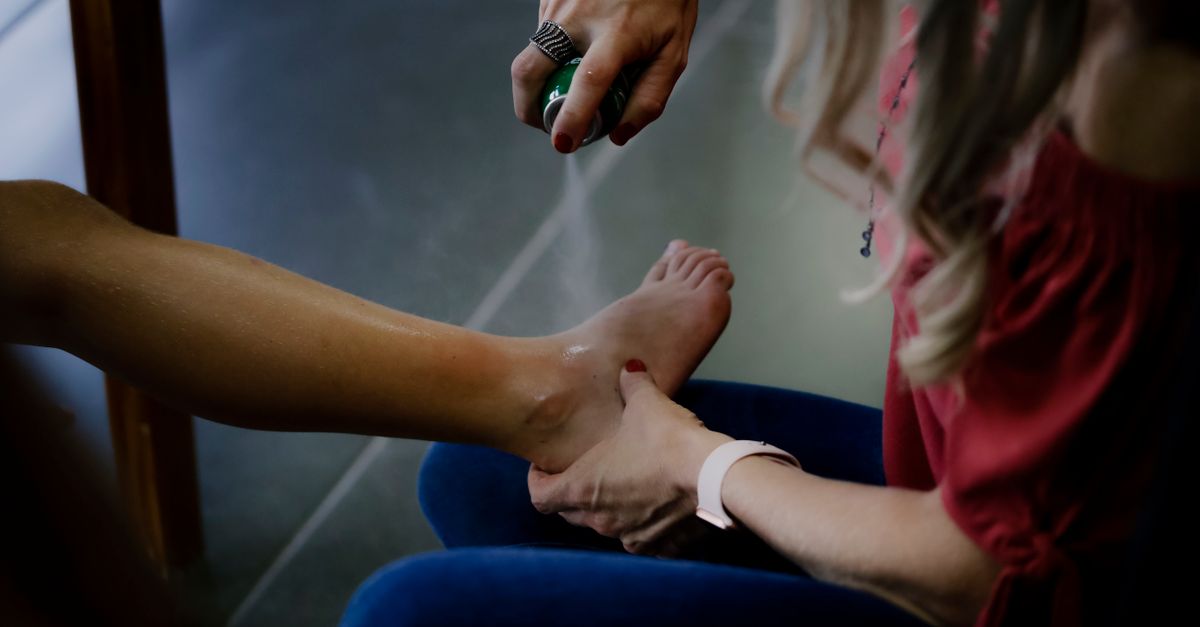
Understanding Foot pain
Foot pain is any discomfort, aching, burning, or sharp pain in one or more parts of the foot, from the heel to the toes. Each foot contains 26 bones, 33 joints, and more than a hundred muscles, tendons, and ligaments, and it absorbs significant force with every step. Foot pain is among the most common reasons people seek musculoskeletal care, and it affects people of every age. It can limit walking, exercise, work, and even sleep, and over time it can change how you move, leading to knee, hip, or back strain.
Causes range widely. Overuse and sudden increases in activity can irritate tendons and the plantar fascia. Ill-fitting or unsupportive shoes contribute to bunions, hammertoes, and forefoot pain. Structural factors such as flat feet or high arches change how load is distributed. Other contributors include nerve irritation such as neuroma, arthritis, stress fractures, injuries, and systemic conditions like diabetes. Risk rises with excess body weight, prolonged standing, high-impact sports, older age, and prior foot injury.
Professional evaluation matters because different problems can feel alike yet need different treatment. Stretching that helps one condition can aggravate another, and some causes, such as stress fractures or infections, can worsen without proper care. Pinpointing the actual source early often shortens recovery, avoids unnecessary trial and error, and helps protect the rest of your body from compensation patterns that develop when you favor a sore foot.
Signs & Symptoms of Foot pain
- Pain with first steps. Sharp or aching heel and arch pain is often worst after rest, such as getting out of bed.
- Aching after activity. Soreness that builds after standing, walking, or exercise suggests overload of tissues in the foot.
- Swelling. Mild puffiness around the ankle, arch, or toes can accompany irritated tendons or joints.
- Burning or tingling. These sensations may point to irritated nerves in the forefoot or arch.
- Stiffness. Reduced flexibility in the toes, arch, or ankle can make walking feel awkward.
- Pain in the ball of the foot. A bruise-like or pebble-in-the-shoe feeling is common with forefoot overload.
- Tenderness at a bony spot. Pressing on one area of the foot may reproduce the pain.
- Pain that changes with footwear. Symptoms that improve barefoot or worsen in certain shoes help identify the cause.
What to Expect
- Conversation about when the pain started, what makes it better or worse, and how it affects your day
- Exam of foot structure, gait, range of motion, and footwear, with imaging such as X-rays when useful
- Findings explained in plain language and matched to a plan built around your goals and lifestyle
- Most plans start with conservative measures aimed at calming irritation and correcting the cause
- Follow-up visits to check progress and adjust the plan as needed
How We Treat Foot pain
Assessment
Your visit begins with a conversation about when the pain started, what makes it better or worse, and how it affects your day. Your physician examines your foot structure, gait, range of motion, and footwear. Imaging such as X-rays may be recommended when the exam suggests it would add useful information.
Treatment Plan
Findings are explained in plain language and matched to a plan built around your goals and lifestyle. Most plans start with conservative measures aimed at calming irritation and correcting the cause. You will know what to do at home and what to expect over the coming weeks.
Ongoing Care
Follow-up visits check how your foot is responding and whether the plan needs adjusting. As pain improves, attention turns to preventing a return through footwear, strengthening, and activity pacing. If progress stalls, the diagnosis and approach are revisited.
Benefits
A personalized care plan
Foot pain has many sources, so no single approach fits everyone. Deann Hofer Ogilvie, DPM builds your plan around your diagnosis, daily activities, and goals.
Unhurried time to ask questions
You should leave a visit understanding your diagnosis and your options. Bring your questions and your usual shoes, and we will talk them through.
Coordinated follow-up
Your plan does not end when the visit does. Follow-up is built into your care so progress is reviewed and adjustments are made when needed.
Your Treatment Journey
First Evaluation (week 1)
You will have a history, a hands-on exam, and possibly imaging. Expect a working diagnosis, an explanation of what is driving your pain, and initial steps you can begin right away.
Treatment Begins (weeks 2-4)
Conservative care such as activity changes, supportive footwear, stretching, and padding or orthotic support gets started. Many people notice some relief in this window, though tissues often need more time to fully settle.
Progress Review (month 2-3)
Your response is reassessed. If you are improving, the plan is refined; if not, the diagnosis is reconsidered and additional options are discussed.
Long-term Management
The focus shifts to preventing recurrence with proper shoes, conditioning, and sensible activity progression. Some causes need ongoing attention, and that is normal.
Warning Signs That Need Prompt Care
Inability to bear weight. Being unable to put weight on the foot after an injury needs prompt evaluation.
Sudden severe pain. Intense pain that appears quickly may signal a fracture, tendon injury, or other acute problem.
Visible deformity. A foot that looks out of position or misshapen after trauma should be examined promptly.
Redness, warmth, and fever. These can be signs of infection and should not be ignored.
Open sores or wounds. Wounds that are slow to heal, especially with diabetes, need prompt care.
Numbness or color change. A cold, pale, blue, or numb foot may indicate a circulation or nerve problem.
Calf pain with swelling. One swollen, painful leg can indicate a blood clot and needs urgent attention.
Pain that persists beyond a couple of weeks. Symptoms that do not settle with rest and supportive shoes deserve a professional look.
If you recognize these signs, help is available. Early treatment leads to better outcomes.
Evidence-Based Treatment for Foot pain
Evidence-based treatment for foot pain usually begins with conservative options. These can include activity modification, ice, and stretching or strengthening exercises for the calf, arch, and foot muscles. Footwear changes, cushioning, padding, taping, and over-the-counter or custom orthotic devices help redistribute pressure and support the foot. Anti-inflammatory medication may be considered when appropriate, and injections or other in-office options may be discussed for stubborn cases. Surgery is generally reserved for problems that do not respond to conservative care or for structural conditions where it is clearly indicated, and it would be discussed thoroughly with you first.
Why Choose Ascend Foot & Ankle Center for Foot pain Treatment
A personalized care plan, unhurried time to ask questions, and coordinated follow-up (see details above).
Contact Information
Call (303) 537-4714 · 588 North Highway 287, Suite 204, Lafayette, CO 80026 · Mon-Fri 9am-3pm
Common Questions About Foot pain
How long does foot pain treatment take?
It depends on the cause. Minor strains may settle within a few weeks, while conditions such as plantar fasciitis or tendon problems can take several months of consistent care. Your physician can give a more realistic estimate after diagnosing the source of your pain.
Is medication required?
Not always. Many causes of foot pain improve with rest, footwear changes, stretching, and supportive devices. Anti-inflammatory medication or other options may be discussed when appropriate for your situation.
Does insurance cover foot pain treatment?
Coverage varies by plan and by the services involved. We can not state which plans are accepted here, so please call (303) 537-4714 and our office can help you with questions about your coverage.
What if the first treatment does not work?
That is not unusual. If you are not improving, your physician will revisit the diagnosis, review how the plan is being followed, and consider other options. Adjusting the plan is a normal part of care.
When should I see a podiatrist for foot pain?
Make an appointment if pain lasts more than a couple of weeks, limits walking, or keeps returning. Seek prompt care for severe pain, inability to bear weight, signs of infection, or numbness.
What should I bring to my appointment?
Bring the shoes you wear most often, a list of medications, and any prior imaging or records. Notes on when your pain occurs can also help your physician reach a diagnosis.
Get Help for Foot pain Today
You don't have to face Foot pain alone. We are ready to help.
Schedule an Appointment