
Sports injuries Treatment in Lafayette
Whether you are a weekend runner, a competitive athlete or a hiker on the Front Range, a foot or ankle injury can stop you in your tracks. Deann Hofer Ogilvie, DPM, evaluates your injury carefully and builds a plan to get you moving again safely.
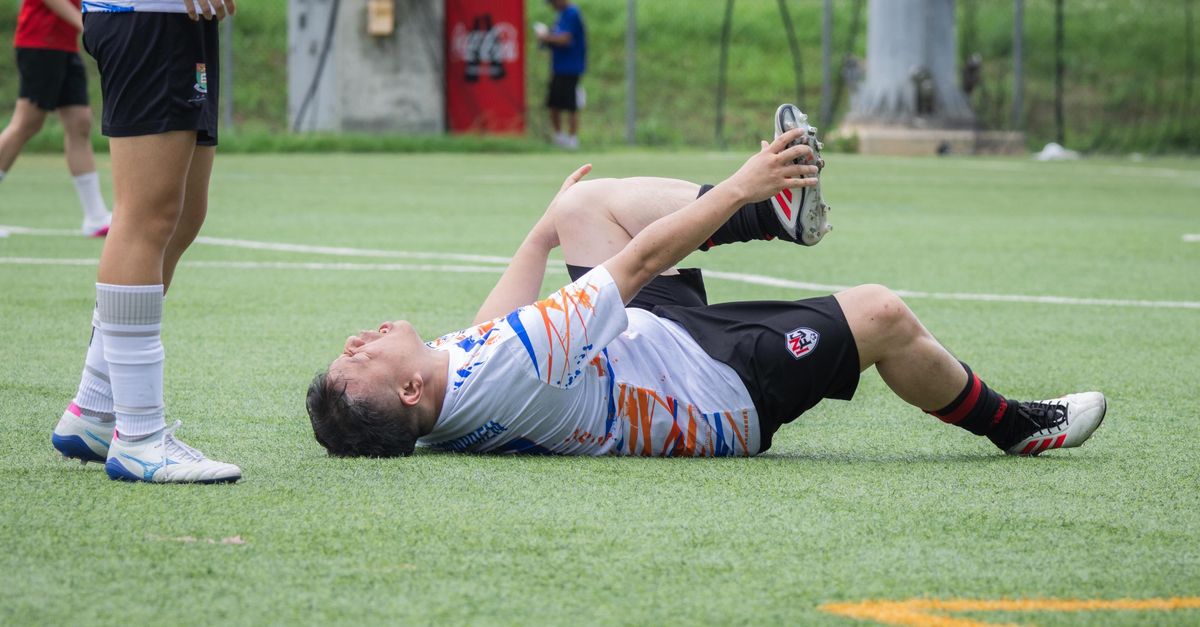
Understanding Sports injuries
Sports injuries of the foot and ankle are damage to bones, ligaments, tendons, muscles or other tissues that happens during athletic activity, training or exercise. They include ankle sprains, Achilles tendon problems, stress fractures, plantar fascia strain, turf toe, peroneal tendon injuries and joint overload. The foot and ankle contain 26 bones and many ligaments and tendons that absorb forces several times your body weight with each stride, so they are among the most commonly injured areas in athletes of every level. An injury can mean missed training, lost competition and difficulty with everyday tasks like walking, working on your feet or caring for family.
Causes fall into two broad groups: acute injuries and overuse injuries. Acute injuries come from a single event, such as rolling an ankle on uneven trail, landing awkwardly from a jump or a sudden change of direction. Overuse injuries develop gradually from repetitive stress, often after a sudden increase in mileage, intensity or hard surfaces. Risk factors include worn or unsuitable footwear, high arches or flat feet, tight calf muscles, previous injury, muscle weakness, poor balance, inadequate recovery time and training errors. Running, basketball, soccer, tennis, skiing and hiking all place distinct demands on the lower limb.
Professional treatment matters because pain that feels minor can hide a fracture, a partial tendon tear or ligament damage that will not heal properly on its own. Playing through an injury can turn a short recovery into a chronic problem, including recurring ankle instability, arthritis or a tendon rupture. A podiatrist is trained specifically in the structure and mechanics of the foot and ankle, can identify the true source of pain, and can address contributing factors like foot structure and footwear so the injury is less likely to return.
Signs & Symptoms of Sports injuries
- Pain with activity. Aching or sharp pain in the foot or ankle that builds as you run, jump or cut and eases with rest.
- Swelling. Puffiness around the ankle, heel or top of the foot after exercise or a awkward landing.
- Bruising. Discoloration that appears hours to days after a sprain or strain.
- Tenderness to touch. A specific spot that hurts when pressed, such as the Achilles tendon or a metatarsal bone.
- Stiffness. Reduced ankle or toe motion, especially first thing in the morning or after sitting.
- Feeling of instability. The ankle seems to give way or roll easily on uneven ground.
- Decreased performance. Slower times, less power or avoiding certain movements because of discomfort.
- Pain that lingers. Soreness that continues for days after activity instead of settling quickly.
What to Expect
- Careful evaluation of how the injury happened, your activity, and your foot and ankle
- Imaging when needed to confirm the diagnosis
- A plan tailored to the specific injury, your goals and your sport
- Follow-up visits to track healing and guide a gradual return to activity
- Guidance on footwear and strategies to lower your risk of reinjury
How We Treat Sports injuries
Assessment
We start by listening to how the injury happened and what your activity looks like. Your foot and ankle are examined for swelling, stability, range of motion and gait. Imaging may be recommended when needed to confirm the diagnosis.
Treatment Plan
Your plan is tailored to the specific injury, your goals and your sport. It may combine protection, activity modification, bracing and targeted rehabilitation. We explain each step so you know what to do and why.
Ongoing Care
Follow-up visits track how you are healing and whether the plan needs to change. We guide a gradual return to activity and discuss footwear and strategies to lower your risk of reinjury. Your questions are welcome at every stage.
Benefits
A Personalized Care Plan
Deann Hofer Ogilvie, DPM, designs your plan around your specific injury, activity and goals rather than a one-size-fits-all protocol.
Unhurried Time to Ask Questions
We want you to understand your diagnosis and options, so your questions are always welcome during your visit.
Coordinated Follow-Up
Your progress is reviewed at follow-up visits so your plan can be adjusted as you heal and return to activity.
Your Treatment Journey
First Evaluation (Week 1)
We review your history, examine the area and order imaging if needed. You leave with a diagnosis, an initial plan and guidance on what activity is safe.
Treatment Begins (Weeks 2-4)
Protection, bracing, activity changes and early rehabilitation start. Pain and swelling often begin to ease, though full healing usually takes longer.
Progress Review (Month 2-3)
We check strength, stability and pain levels and adjust the plan. Many athletes begin a gradual return to sport, while some injuries, such as stress fractures or tendon problems, may need more time.
Long-term Management
The focus shifts to preventing reinjury through strengthening, proper footwear and training habits. Follow-up continues as needed.
Warning Signs That Need Prompt Care
Inability to bear weight. Being unable to take four steps without severe pain can signal a fracture or serious ligament tear.
A pop or snap at injury. A sudden sound with immediate pain may indicate a tendon rupture or ligament tear.
Visible deformity. A foot or ankle that looks out of position or misshapen needs prompt evaluation.
Severe swelling. Rapid, significant swelling can point to a fracture or significant joint injury.
Numbness or tingling. Loss of sensation or pins and needles may suggest nerve involvement.
Pain at night or at rest. Persistent pain when not active is a classic sign of a possible stress fracture.
Skin color changes or coldness. A pale, bluish or cold foot may indicate circulation problems and needs urgent attention.
Fever, redness or warmth. These may suggest infection and should not wait.
If you recognize these signs, help is available. Early treatment leads to better outcomes.
Evidence-Based Treatment
Evidence-based treatment depends on the diagnosis. Many injuries begin with the PRICE approach (protection, rest, ice, compression and elevation), followed by a return to motion. Immobilization with a walking boot, brace or taping supports healing ligaments and stress fractures. Physical therapy-style stretching, strengthening and balance training restore function and reduce recurrence. Custom or over-the-counter orthotics and footwear changes can correct mechanical contributors. Anti-inflammatory medication or injections may be considered in selected cases, and surgery is generally reserved for injuries that fail conservative care or involve complete tears, displaced fractures or persistent instability.
Why Choose Ascend Foot & Ankle Center for Sports injuries Treatment
See the benefits listed: personalized care plan, unhurried time to ask questions, coordinated follow-up.
Contact Information
588 North Highway 287, Suite 204, Lafayette, CO 80026 · (303) 537-4714 · Mon-Fri 9am-3pm
Common Questions About Sports injuries
How long does sports injury treatment take?
It depends on the injury. Mild sprains and strains often improve over a few weeks, while stress fractures and tendon injuries can take several weeks to a few months. Your timeline is set after your evaluation and adjusted as you heal.
Is medication required?
Not always. Many sports injuries respond to rest, activity changes, bracing, supportive footwear and rehabilitation. Anti-inflammatory medication may be considered in some cases, and your podiatrist will discuss whether it is appropriate for you.
Does insurance cover sports injury care?
Coverage varies by plan and by the services you need. Please call our office at (303) 537-4714 and our staff can talk through your questions about coverage.
What if the first treatment does not work?
Healing is not always linear. If progress stalls, your care plan is reassessed, which may include further imaging, a different approach to immobilization or rehabilitation, or additional treatment options.
When should I see a podiatrist instead of waiting it out?
See someone promptly if you cannot walk comfortably, have significant swelling or deformity, or if pain lasts more than a week or two. Early care often prevents a small problem from becoming a long layoff.
Can I keep exercising during treatment?
Often you can keep some activity going, such as swimming or cycling, while the injured area heals. Your podiatrist will tell you what is safe so you protect the injury and maintain fitness.
Get Help for Sports injuries Today
You don't have to face Sports injuries alone. We are ready to help.
Schedule an Appointment