
Rest vs Rehabilitation for Ankle Sprains
Understand how each approach works so you can choose the path that supports a full, stable recovery.
Side-by-Side Comparison
Rest
Rest protects injured ligaments during the acute phase, when pain and swelling are highest. It is usually combined with ice, compression and elevation, and sometimes a brace or support to limit movement.
Evidence generally supports short-term protection followed by early, controlled movement. Extended immobilization tends to slow recovery compared with active management.
A typical patient for rest alone has a mild sprain, can walk with minor discomfort and has no earlier problems with the same ankle. Expect a few days of reduced activity and gradual return to normal use.
Rehabilitation
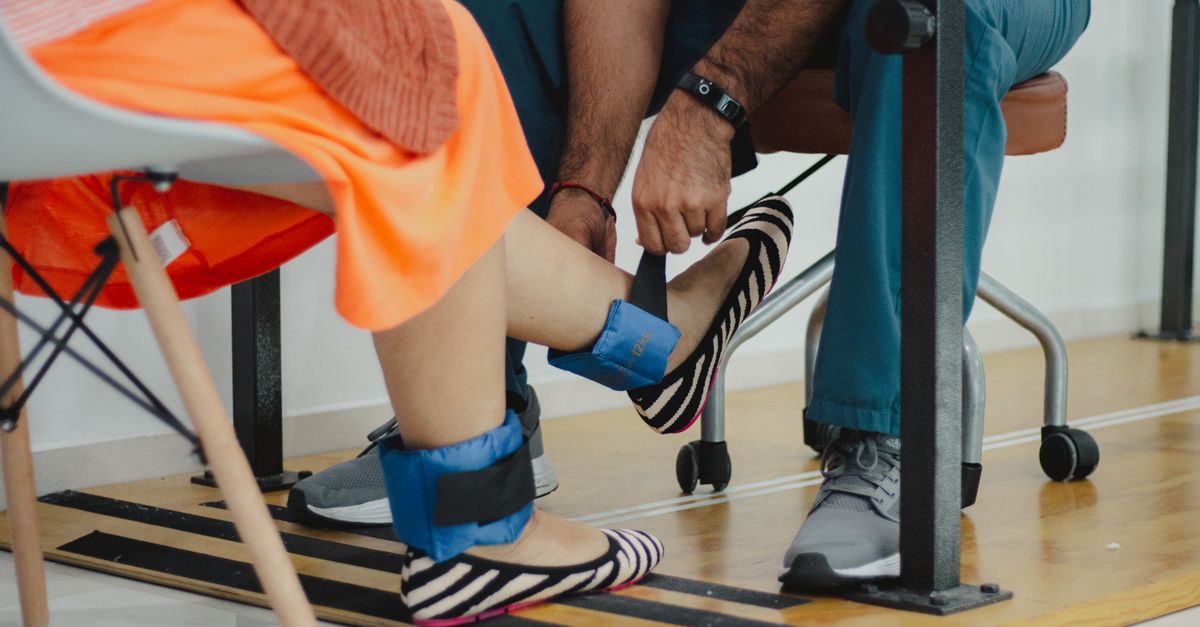
Rehabilitation uses range-of-motion work, strengthening, balance training and a gradual return to activity. The goal is not only to heal the ligament but to retrain the muscles and nerves that keep the ankle steady.
Research on ankle sprains consistently favors exercise-based rehabilitation for improving function and reducing the chance of re-injury, especially after moderate or severe sprains.
Patients who benefit most include athletes, people with repeated sprains and anyone whose ankle still feels unstable. Expect several weeks of exercises, with progress checks and adjustments along the way.
How to Decide
Choose rest first if...
- Your sprain is mild with little swelling or bruising
- You can bear weight with only mild discomfort
- You are within the first few days of the injury
- You have no history of repeated sprains
Choose rehabilitation if...
- Swelling, bruising or pain persists beyond a week
- The ankle feels weak, stiff or likely to give way
- You have sprained the same ankle before
- You want to return to sports or demanding work
Most sprains benefit from both: a brief period of rest followed by structured rehabilitation.
Frequently Asked Questions
Is rest enough for an ankle sprain?
For a mild sprain, a short period of rest, along with ice, compression and elevation, may be enough. Even then, gentle motion exercises soon after are usually advised so the ankle does not stiffen.
When should I start rehabilitation?
Rehabilitation typically begins once the initial pain and swelling settle, often within days. Your podiatrist can tell you the right timing based on the severity of your sprain.
How do I know if my sprain is serious?
Inability to bear weight, significant swelling, bruising, numbness or an ankle that looks deformed should be evaluated promptly, since a fracture or severe ligament tear is possible.
Can untreated sprains cause long-term problems?
Yes. Sprains that are not rehabilitated can lead to chronic ankle instability, recurring sprains and ongoing pain.
Who can evaluate my ankle sprain?
Deann Hofer Ogilvie, DPM, a podiatrist in Lafayette, CO, can examine your ankle and recommend a plan. Call (303) 537-4714, Monday to Friday, 9am to 3pm.
Not Sure Which Path Fits Your Ankle?
Deann Hofer Ogilvie, DPM can examine your ankle and help you plan your recovery. Visit us at 588 North Highway 287, Suite 204, Lafayette, CO 80026.
Discuss Your Options