
Foot Orthotics in Lafayette
Custom and prescription orthotics can reduce pain, improve alignment and help your feet work more efficiently. Deann Hofer Ogilvie, DPM evaluates how you stand and move, then recommends a supportive plan tailored to your feet and daily life.
What is Foot Orthotics?
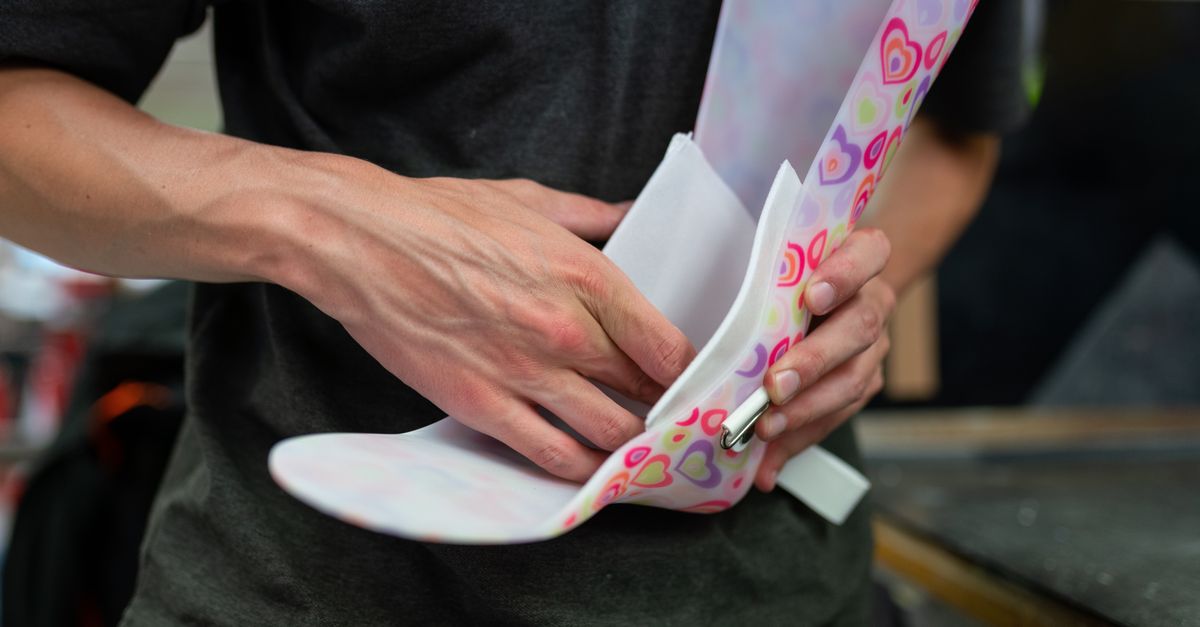
Foot orthotics are shoe inserts designed to support, cushion or realign the foot. They range from simple off-the-shelf arch supports to custom devices made from a model of your foot and prescribed for a specific diagnosis. Their purpose is to change how forces travel through the foot and lower leg, easing stress on painful or overworked tissues.
Orthotics help people of many ages and activity levels: runners and walkers with overuse pain, people who stand all day for work, adults with flat feet or high arches, and those with arthritis or tendon problems. Because the feet are the foundation of the body, poor mechanics can also contribute to ankle, knee, hip and back symptoms, which is why a full exam looks beyond the painful spot.
Research supports orthotics as part of conservative care for several conditions, particularly plantar heel pain and some types of foot pain related to arch structure. Results vary from person to person, and orthotics work best alongside good footwear, stretching, strengthening and activity changes rather than as a stand-alone fix. An exam helps determine whether they are right for you.
Signs orthotics may help
- Heel pain, especially with the first steps in the morning
- Arch pain or fatigue after standing or walking
- Flat feet or very high arches
- Pain under the ball of the foot
- Shin, knee or lower back discomfort linked to how you walk
- Uneven shoe wear or frequent ankle rolling
- Calluses or pressure spots in the same place repeatedly
What to Expect
- Evaluation of your feet, ankles and lower legs, including how you stand and walk
- Impressions or scans of your feet may be taken for custom devices
- A gradual break-in period as your feet adapt to the orthotics
- Follow-up visits to check fit and make adjustments
- Orthotics combined with footwear guidance, stretching and strengthening
Our Approach to Foot Orthotics
Initial Assessment
Your visit starts with a conversation about your symptoms, activities, work demands and footwear. Deann Hofer Ogilvie, DPM examines your feet, ankles and lower legs, checks joint motion and muscle strength, and observes how you stand and walk to see where pressure and strain concentrate.
Personalized Plan
Findings are explained in plain language and matched to a plan. That may include custom or prescription orthotics, supportive footwear guidance, stretching and strengthening, and other conservative care. Orthotics are designed around your foot shape, your condition and the shoes you wear most.
Ongoing Support
Orthotics often need a break-in period, so follow-up matters. Your comfort, fit and symptoms are reviewed, and adjustments are made when needed. Your plan can be updated as your activity, footwear or condition changes.
Benefits
Reduced pain
Orthotics change how forces travel through the foot and lower leg, easing stress on painful or overworked tissues.
Improved alignment
Custom and prescription orthotics can improve alignment and help your feet work more efficiently.
Tailored to you
Orthotics are designed around your foot shape, your condition and the shoes you wear most.
Conservative care
The goal is lasting comfort and function using the least invasive approach that works for you.
What to Expect
First Visit
Evaluation, gait and foot assessment, and a discussion of whether orthotics fit your needs. Impressions or scans of your feet may be taken for custom devices.
Week 2-4
Your orthotics are fitted and you begin a gradual break-in, wearing them for short periods at first and increasing time as your feet adapt. Mild awareness of the device is common.
Month 1-3
Many people notice improved comfort and less strain as they settle into regular wear. A follow-up allows fit checks and adjustments to the devices or footwear.
Long-term
Orthotics are a tool for ongoing support. Wear them consistently, keep them in good condition, and have them reviewed periodically or if your symptoms or shoes change.
Treatments and devices used
Depending on your diagnosis, orthotic care may include rigid or semi-rigid devices for motion control, softer accommodative devices for cushioning and pressure relief, and sport-specific or dress-shoe styles. Impressions or scans of your feet guide the design, and heel cups, arch contours or metatarsal pads are added where your exam shows they are needed.
Orthotics are frequently paired with other conservative measures such as stretching and strengthening exercises, footwear recommendations, activity modification and, when appropriate, other in-office treatments for the underlying condition. The goal is lasting comfort and function using the least invasive approach that works for you.
Timeline note
Timelines vary with your condition, activity level and how your feet respond.
Common Questions About Foot Orthotics
What is the difference between custom orthotics and over-the-counter inserts?
Over-the-counter inserts are mass-produced and can add general cushioning or arch support. Custom orthotics are made from a model of your own feet and prescribed for a specific problem, so they can control motion and redistribute pressure more precisely. Which is appropriate depends on your condition and exam findings.
How long does it take to get used to orthotics?
Most people need one to two weeks of gradual wear. Starting with a couple of hours a day and building up helps your feet and legs adapt. Persistent pain, rubbing or numbness should be reported so the fit can be reviewed.
Which conditions can orthotics help?
Orthotics are commonly used for plantar fasciitis, flat feet, high arches, metatarsal pain, tendon strain and some forms of arthritis-related foot pain. They may also help with alignment-related shin, knee or back discomfort. They are often combined with other conservative care.
Will orthotics fit in all of my shoes?
Many orthotics fit in lace-up athletic and walking shoes and most closed-toe dress shoes with removable insoles. Very tight or low-volume shoes can be difficult. Bring your regular shoes to your visit so the design can account for them.
How do I schedule a visit?
Call (303) 537-4714 or use the contact page. The office is at 588 North Highway 287, Suite 204, Lafayette, CO 80026, open Monday through Friday, 9am to 3pm.
Ready to Get Help with Foot Orthotics?
Call (303) 537-4714 or visit us at 588 North Highway 287, Suite 204, Lafayette, CO 80026. Hours: Mon-Fri 9am-3pm.
Book an Appointment