
Flat feet Treatment in Lafayette
Flat feet can cause arch pain, fatigue and strain that reaches the ankles, knees and back. Deann Hofer Ogilvie, DPM provides specialty medical care for flat feet in Lafayette, CO, with a plan built around your feet and your goals.
Understanding Flat feet
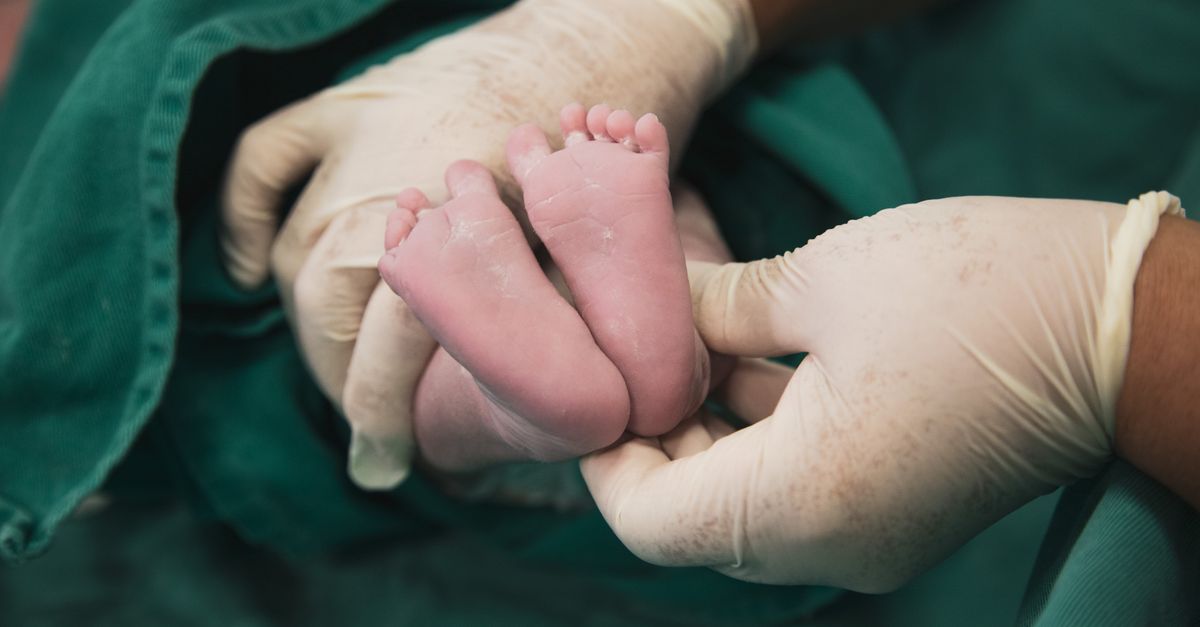
Flat feet, also called pes planus or fallen arches, describe a foot whose arch is lowered or absent, so much of the sole touches the ground when you stand. It is common: all infants are born with flat-looking feet, most children develop arches during early childhood, and a meaningful share of adults keep a low arch for life. Many people never have trouble. For others, flat feet bring aching arches, tired legs, heel discomfort and difficulty with long walks, workouts or time on hard floors, which can limit work, exercise and everyday enjoyment.
Flat feet have several causes. Some people inherit a low arch, and in others it develops over time. Common contributors include injury to the foot or ankle, tendon weakness or dysfunction (especially of the posterior tibial tendon), arthritis, nerve or muscle conditions, tight calf muscles, and ligament laxity. Risk rises with age, excess body weight, diabetes, high blood pressure and pregnancy, all of which can stress the supporting structures of the foot. Flat feet may be flexible, where the arch appears when you sit or rise onto your toes, or rigid, where it stays flat and the foot feels stiff.
Professional evaluation matters because the right treatment depends on the type and cause. A flexible, painless flat foot may only need monitoring and good footwear, while a painful or changing arch may signal tendon damage that can progress if ignored. A podiatrist can tell these apart, recommend appropriately fitted orthotics and exercises, and catch problems early. Untreated, abnormal mechanics can contribute to bunions, heel pain, shin splints, and knee, hip or back pain. Early, targeted care can ease symptoms and protect long-term function.
Signs & Symptoms of Flat feet
- Low or absent arch. The inside of the foot rests close to or flat against the floor when you stand.
- Foot fatigue. Feet tire quickly during walking, standing or exercise.
- Arch and heel aching. A dull ache develops along the arch or into the heel after activity.
- Inward rolling of the ankle. The ankle tilts inward (overpronation), which can wear down shoes unevenly.
- Shin or calf discomfort. Altered mechanics can strain the muscles of the lower leg.
- Knee, hip or low back pain. Poor foot alignment can change how forces travel up the leg.
- Uneven shoe wear. Shoes break down along the inner edge of the sole or heel.
- Swelling along the inner ankle. Mild puffiness may appear after long days on your feet.
- Sudden arch collapse. A rapid change in arch shape should be evaluated promptly.
- Pain along the inner ankle. Pain or swelling behind the ankle bone may signal tendon problems.
- Difficulty rising onto your toes. Weakness or pain with a single-leg heel raise can point to posterior tibial tendon trouble.
- Pain that limits walking. Discomfort that keeps you from normal daily activity needs attention.
- Outward ankle pain. Pain on the outer ankle can occur as the heel shifts and bones press together.
- Visible deformity. A heel that tilts outward or a foot that turns out should be checked.
- Numbness or tingling. Nerve symptoms in the foot or ankle warrant a thorough exam.
- Flat foot in a child with stiffness or pain. A rigid, painful flat foot in a child or teen deserves evaluation.
What to Expect
- Supportive, well-fitted footwear and arch-supporting orthotics, either over-the-counter or custom
- Calf and Achilles stretching with foot and ankle strengthening
- A plan matched to your foot type, symptoms and goals
- Short break-in period with new inserts is normal
- Ongoing management because flat feet are a structural trait
- Surgery is considered only when conservative care has not provided enough relief
How We Treat Flat feet
Assessment
Deann Hofer Ogilvie, DPM reviews your symptoms, history and activities, then examines your feet standing and walking. Arch height, heel alignment, flexibility and tendon strength are all checked. Imaging may be recommended when the exam suggests it is needed.
Treatment Plan
You receive a plan matched to your foot type, symptoms and goals. Options commonly include supportive footwear, orthotic devices, stretching and strengthening, and activity changes. Each step is explained so you understand what to expect.
Ongoing Care
Follow-up visits track how your feet respond and whether the plan needs adjusting. Orthotics, footwear and exercises can be refined as your symptoms change. The goal is lasting comfort and function, not a quick fix.
Benefits
A personalized care plan
Flat feet vary widely, from flexible and painless to stiff and symptomatic. Your plan is built around your own foot structure, daily demands and goals.
Unhurried time to ask questions
You should leave a visit understanding your diagnosis and your options. Bring your questions about shoes, orthotics, activity and what comes next.
Coordinated follow-up
Care continues after the first visit. Progress is reviewed, and your plan is adjusted so each step builds on the last.
Your Treatment Journey
First Evaluation (Week 1)
Your history, a standing and walking exam, and a discussion of goals. You leave with a clear diagnosis and an initial plan, which may include footwear advice, stretches and orthotic recommendations.
Treatment Begins (Weeks 2-4)
You start supportive footwear, orthotics and exercises. It is normal to need a short break-in period with new inserts. Many people notice early changes in fatigue and arch comfort, though full results take longer.
Progress Review (Months 2-3)
We review symptoms, function and how devices are fitting. Adjustments are made, and if progress is slower than expected, other options are discussed.
Long-term Management
Flat feet are a structural trait, so management is ongoing. Continued use of supportive footwear, orthotics and exercises helps keep symptoms controlled, with periodic check-ins as needed.
Help Is Available
If you recognize these signs, help is available. Early treatment leads to better outcomes.
Evidence-Based Treatment for Flat feet
Evidence-based treatment for flat feet is usually conservative first. Supportive, well-fitted footwear and arch-supporting orthotics, either over-the-counter or custom, help redistribute pressure and control excess inward rolling. Calf and Achilles stretching, along with strengthening of the foot and ankle muscles, improve support and mechanics. Activity modification, weight management when relevant, and low-impact conditioning reduce strain. Short-term anti-inflammatory medication or ice may ease flare-ups, and bracing or immobilization may be used for tendon problems. When conservative care does not give enough relief, or when there is significant tendon damage or deformity, surgical options may be discussed.
Contact Information
(303) 537-4714 · 588 North Highway 287, Suite 204, Lafayette, CO 80026 · Mon-Fri 9am-3pm
Common Questions About Flat feet
How long does flat feet treatment take?
It depends on your symptoms and the cause. Many people notice improvement in comfort over several weeks to a few months with orthotics, footwear changes and exercises. Because flat feet are structural, supportive measures are often continued long term.
Is medication required?
Often not. Treatment is mostly mechanical: supportive shoes, orthotics, stretching and strengthening. Over-the-counter anti-inflammatory medicine may occasionally be used for short-term flare-ups if appropriate for you. Discuss this with your physician.
Does insurance cover flat feet treatment?
Coverage varies by plan and by the services involved, such as visits, imaging or custom devices. Call the office at (303) 537-4714 and check with your insurance company about your benefits.
What if the first treatment does not work?
Flat feet respond differently from person to person. If symptoms persist, your plan can be adjusted with different orthotic designs, added therapy, or further evaluation such as imaging. Surgery is considered only when conservative care has not provided enough relief.
Do all flat feet need treatment?
No. Many people have flat feet without any pain and need no treatment. Care is recommended when you have pain, fatigue, changes in arch shape, or related problems in the ankles, knees, hips or back.
Where can I get flat feet treatment in Lafayette?
Ascend Foot & Ankle Center is at 588 North Highway 287, Suite 204, Lafayette, CO 80026. Office hours are Monday to Friday, 9am to 3pm. Call (303) 537-4714 to ask about an appointment.
Related Conditions
Get Help for Flat feet Today
You don't have to face Flat feet alone. We are ready to help.
Schedule an Appointment