
Ingrown toenails Treatment in Lafayette
An ingrown toenail can turn every step into a painful one, but you do not have to live with it. Deann Hofer Ogilvie, DPM provides specialty medical care for ingrown toenails in Lafayette, from gentle conservative steps to in-office procedures when needed.
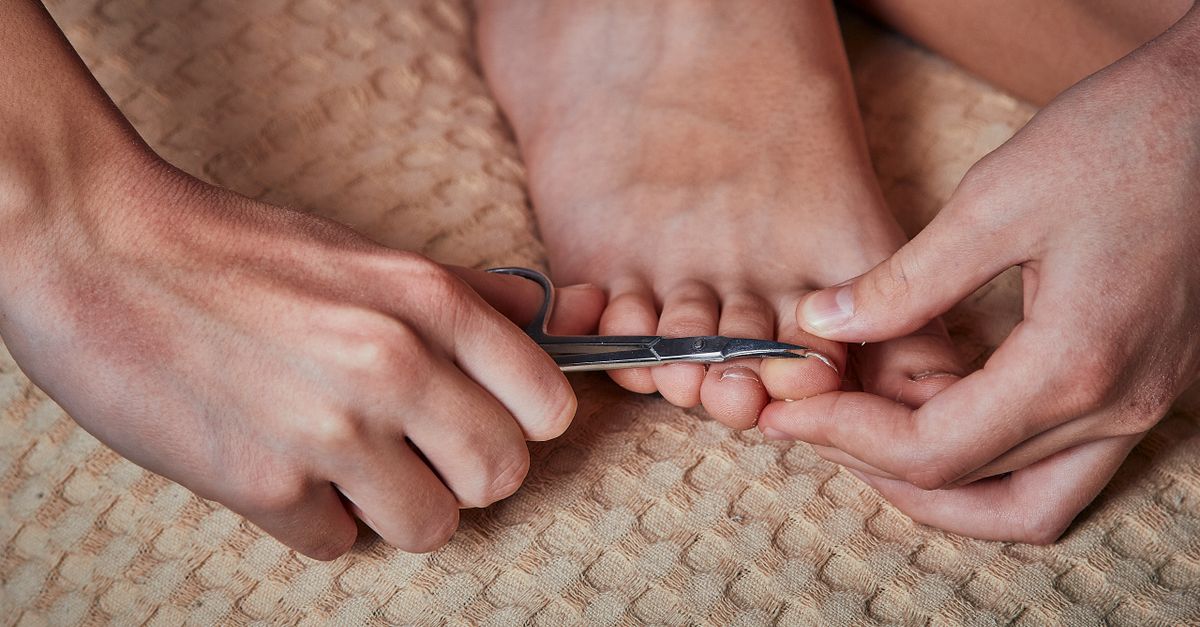
Understanding Ingrown toenails
An ingrown toenail, known medically as onychocryptosis, occurs when the edge or corner of a toenail grows into the soft skin beside it. The big toe is affected most often. It is one of the most common nail problems seen by podiatrists and can affect children, adults and older adults alike. What begins as mild tenderness can progress to swelling, drainage and infection, and it can make walking, exercising, working on your feet or even wearing socks uncomfortable.
Several factors contribute. Cutting nails too short or rounding the corners encourages the edge to dig in as it grows out. Shoes that are tight, narrow or pointed squeeze the toe and press the nail into the skin. Injury, such as stubbing a toe or dropping something on it, can alter nail growth. Some people simply inherit naturally curved or fan-shaped nails. Repetitive pressure from running or sports, sweaty feet, fungal nail infection and poor foot hygiene can add to the risk, and people with diabetes or reduced circulation face greater consequences from even small problems.
Professional treatment matters because digging at the nail yourself often leaves a small spur behind, which keeps the problem going and invites infection. A podiatrist can examine the toe, determine how deep the problem goes, relieve pain safely and address the cause so it is less likely to return. Early care is typically simpler, more comfortable and quicker to heal than treatment of an advanced, infected nail.
Signs & Symptoms of Ingrown toenails
- Pain along the nail edge. Tenderness where the nail border presses into the skin, often worst in shoes.
- Redness. The skin beside the nail looks pink or red as the body reacts to the pressure.
- Swelling. The nail fold becomes puffy and firm, most often at the big toe.
- Tenderness to touch. Even light pressure from a sock or bedsheet can feel uncomfortable.
- Warmth. The area may feel warmer than the surrounding skin.
- Skin growing over the nail. The soft tissue may start to fold over the edge of the nail.
- Pain with footwear. Closed or snug shoes make the discomfort noticeably worse.
- Nail curving downward. The edge of the nail may curl into the skin instead of growing straight.
What to Expect
- Examination of the toe for infection and depth of the nail border
- Conservative care such as warm-water soaks, proper trimming and roomier footwear for mild cases
- Partial nail avulsion with local anesthetic when the nail border has pierced the skin
- Antibiotics only when infection is present
- Follow-up and guidance on trimming and footwear to lower the chance of recurrence
How We Treat Ingrown toenails
Assessment
Your podiatrist reviews your symptoms, health history and footwear habits. The toe is examined closely for infection, depth of the nail border and signs of recurrence. Together you discuss what is most likely causing the problem.
Treatment Plan
A personalized plan is built around the severity of your nail and your goals. Options range from conservative care to a minor in-office procedure. You will understand each step, what recovery looks like and how to care for the toe at home.
Ongoing Care
Follow-up lets your podiatrist confirm the toe is healing and the area is free of infection. You receive guidance on nail trimming and footwear to lower the chance of recurrence. If the problem returns, the plan is revisited.
Benefits
A Personalized Care Plan
Every toe and every patient is different. Deann Hofer Ogilvie, DPM tailors recommendations to your nail, your health and your daily routine.
Unhurried Time to Ask Questions
You deserve to understand your diagnosis and options. Bring your questions and expect clear, straightforward answers.
Coordinated Follow-Up
Care does not end when you leave the office. Follow-up visits make sure healing is on track and prevention is part of the plan.
Your Treatment Journey
First Evaluation (Week 1)
Your toe is examined and the severity is assessed. Many patients leave the first visit with significant pain relief, whether from conservative care or a minor procedure.
Treatment Begins (Weeks 2-4)
You follow home care instructions such as soaks and dressing changes while the area heals. Some tenderness is normal early on and should steadily lessen.
Progress Review (Month 2-3)
The nail edge is rechecked as it grows out. Any lingering concerns are addressed and your plan is adjusted if needed.
Long-term Management
Proper trimming and well-fitting shoes help keep the problem from returning. If the nail is prone to recurrence, further options can be discussed.
Warning Signs That Need Prompt Care
Pus or drainage. Yellow or cloudy fluid suggests the area has become infected.
Spreading redness. Redness moving beyond the toe may signal a deepening infection.
Throbbing pain. Pain that pulses or keeps you awake needs prompt evaluation.
Fever or chills. Systemic symptoms with a toe infection require urgent attention.
Overgrown tissue. Red, bumpy, bleeding tissue along the nail can develop in longstanding cases.
Diabetes or poor circulation. Any nail problem in these conditions should be seen right away.
Numbness in the foot. Reduced feeling can hide how severe the problem has become.
No improvement at home. Pain that persists after a few days of careful home care deserves a visit.
If you recognize these signs, help is available. Early treatment leads to better outcomes.
Evidence-Based Care for Ingrown Toenails
Evidence-based care for ingrown toenails typically starts with warm-water soaks, proper nail trimming straight across and roomier footwear for mild cases. When the nail border has pierced the skin, a partial nail avulsion is commonly performed: the toe is numbed with a local anesthetic and only the offending edge of the nail is removed. To reduce the chance of regrowth, a chemical such as phenol may be applied to the nail root in that small section, which is the approach with the lowest recurrence rates in the medical literature. Topical or oral antibiotics are used only when infection is present. Aftercare involves a simple dressing and soaks while the area heals.
Why Choose Ascend Foot & Ankle Center for Ingrown toenails Treatment
A Personalized Care Plan
Unhurried Time to Ask Questions
Coordinated Follow-Up
Common Questions About Ingrown toenails
How long does ingrown toenail treatment take?
It depends on severity. A mild case managed conservatively may settle within a couple of weeks, while a procedure to remove the problem portion of the nail usually allows a return to normal activity within days, with full healing taking a few weeks. Your podiatrist will give you a timeline after examining your toe.
Is medication required?
Not always. Mild cases often improve with soaks and careful nail care. If there are signs of infection, an antibiotic or topical medication may be recommended. Your physician will decide based on your exam and health history.
Does insurance cover ingrown toenail treatment?
Coverage varies by plan and by the services needed. Please call our office at (303) 537-4714 and our staff can talk through your questions, and you can also confirm benefits with your insurance company directly.
What if the first treatment does not work?
Ingrown nails can recur, especially when the nail shape is naturally curved. If the first approach does not resolve it, Deann Hofer Ogilvie, DPM can reassess and discuss other options, including a more definitive procedure to address the nail edge.
Can I treat an ingrown toenail at home?
Mild tenderness can be eased by soaking the foot in warm water and wearing roomy shoes. Avoid cutting into the corner or digging under the nail yourself, since this often makes things worse. See a podiatrist if there is pus, spreading redness, or no improvement.
Where can I find ingrown toenail treatment in Lafayette?
Ascend Foot & Ankle Center is at 588 North Highway 287, Suite 204, Lafayette, CO 80026. Office hours are Monday through Friday, 9am to 3pm. Call (303) 537-4714 to schedule.
Get Help for Ingrown toenails Today
You don't have to face Ingrown toenails alone. We are ready to help.
Schedule an Appointment