
Heel Pain Treatment in Lafayette
Heel pain can turn every step into a struggle, but the cause is usually identifiable and treatable. Deann Hofer Ogilvie, DPM evaluates the source of your pain and builds a practical plan to help you get back to comfortable walking.
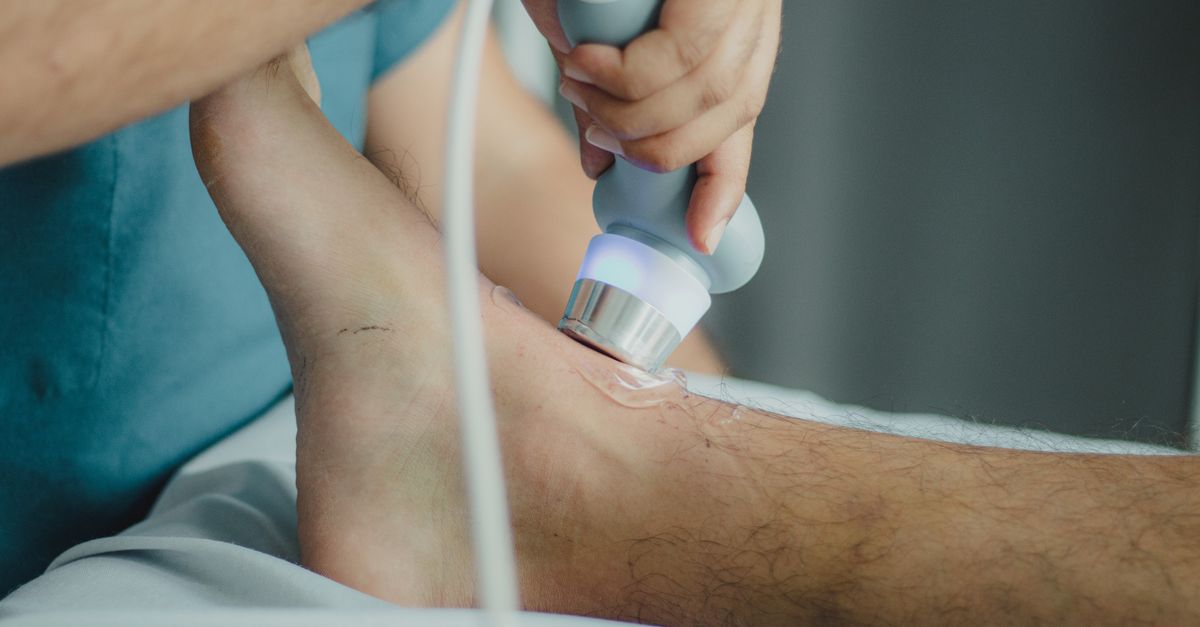
What is Heel Pain Treatment?
Heel pain treatment is the process of diagnosing why the heel hurts and addressing that cause directly. The heel bone, or calcaneus, is the largest bone in the foot and absorbs significant force with every step. It is surrounded by the plantar fascia, the Achilles tendon, a protective fat pad, and small nerves, and any of these structures can become irritated, overloaded, or injured.
Plantar fasciitis is the most frequent diagnosis, but it is not the only one. Heel spurs, Achilles tendinopathy, bursitis, stress fractures of the heel bone, and nerve entrapment can all produce pain in the same area. Treating the wrong problem wastes time, which is why a careful exam and, when needed, imaging such as X-ray are central to good care.
Heel pain affects runners, people on their feet all day, those with higher body weight, people with tight calves or high or flat arches, and many others with no obvious trigger. Clinical guidance generally supports starting with conservative, non-surgical measures, which help the majority of people. Treatment is most effective when started early and followed consistently.
Common symptoms and indicators
- Sharp or stabbing pain in the bottom of the heel, often with the first steps in the morning
- Pain that returns after standing up from a long period of sitting
- Aching or burning along the arch that extends toward the heel
- Tenderness at the back of the heel near the Achilles tendon
- Discomfort that increases after exercise rather than during it
- Tightness in the calf or arch that makes walking feel stiff
What to Expect
- Careful exam of your foot, arch, gait, and heel tender points, with imaging such as X-ray when needed
- Diagnosis of the specific cause, such as plantar fasciitis, heel spurs, or Achilles tendinopathy
- Personalized plan combining stretching, activity changes, and supportive measures
- Conservative, non-surgical care first, which helps the majority of people
- Follow-up visits to track progress and adjust the plan
Our Approach to Heel Pain Treatment
Initial Assessment
We review your history, activities, and footwear, then examine your foot, arch, gait, and the tender points in your heel. Imaging may be recommended to rule out spurs or stress fractures.
Personalized Plan
Your plan reflects your diagnosis, lifestyle, and goals. It typically combines stretching, activity changes, and supportive measures, with additional options added as needed.
Ongoing Support
Follow-up visits track your progress and adjust the plan. We help you build habits and footwear choices that lower the chance of the pain returning.
Benefits
Accurate Diagnosis
A careful exam and, when needed, imaging such as X-ray help identify which structure is causing the pain so the right problem is treated.
Conservative First
Clinical guidance generally supports starting with conservative, non-surgical measures, which help the majority of people.
Personalized Plan
Your plan reflects your diagnosis, lifestyle, and goals.
Ongoing Support
Follow-up visits track your progress and adjust the plan, and we help you build habits and footwear choices that lower the chance of the pain returning.
What to Expect
First Visit
A conversation about your symptoms, an exam of your foot and gait, and any needed imaging. You leave with a diagnosis and a starting plan you can begin right away.
Week 2-4
Early improvement is possible, such as less morning pain, though symptoms often still linger. We review how you are tolerating stretches and supports and make adjustments.
Month 1-3
Most people see steady gains with consistent care. If progress is slow, additional treatments may be considered and activity can be gradually increased.
Long-term
Keeping up stretching, supportive shoes, and sensible training helps protect against recurrence. Chronic cases can take longer, and results vary from person to person.
Treatments we may use
Care is matched to the diagnosis. Options your podiatrist may discuss include:
Calf, Achilles, and plantar fascia stretching routines
Strengthening exercises for the foot and lower leg
Supportive footwear guidance, heel cups, and padding
Custom or over-the-counter orthotic devices
Night splints to keep tissue gently stretched during sleep
Taping or strapping to offload irritated tissue
Anti-inflammatory medication when appropriate
Injection therapy or advanced options for stubborn cases
Surgical consultation only if conservative care has not been enough
Common Questions About Heel Pain Treatment
What causes heel pain?
The most common cause is plantar fasciitis, irritation of the thick band of tissue along the bottom of the foot. Other causes include heel spurs, Achilles tendinopathy, stress fractures, nerve irritation, and fat pad inflammation. Because these conditions can feel similar, an exam is the best way to identify which one is involved.
Will I need surgery for heel pain?
Most heel pain improves with conservative care such as stretching, supportive footwear, activity changes, and orthotic support. Surgery is generally considered only when a long course of non-surgical treatment has not provided enough relief. Your podiatrist will discuss all options with you before any decision is made.
How long does heel pain take to go away?
Recovery varies by cause and how long the problem has been present. Many people notice gradual improvement over several weeks, while chronic cases can take several months. Consistency with the home program is one of the biggest factors in how quickly symptoms settle.
Should I keep exercising with heel pain?
Often you can stay active with modifications. Lower-impact options such as swimming or cycling may replace running or jumping for a while. Your podiatrist can advise which activities are reasonable for your specific diagnosis.
When should I have heel pain evaluated?
Schedule a visit if pain lasts more than a couple of weeks, interferes with walking, or keeps returning. Seek prompt care if you have severe pain after an injury, notable swelling or bruising, numbness, or you cannot bear weight on the foot.
Related Services
Ready to Get Help with Heel Pain Treatment?
Call (303) 537-4714 or visit us at 588 North Highway 287, Suite 204, Lafayette, CO 80026. Office hours are Monday to Friday, 9am to 3pm.
Book an Appointment