
Wound Care and Diabetic Foot Care in Lafayette
Slow-healing sores, diabetic foot concerns and skin or nail problems deserve careful, timely attention. Deann Hofer Ogilvie, DPM, combines detailed foot examinations with practical wound management and prevention guidance for patients in Lafayette, CO.
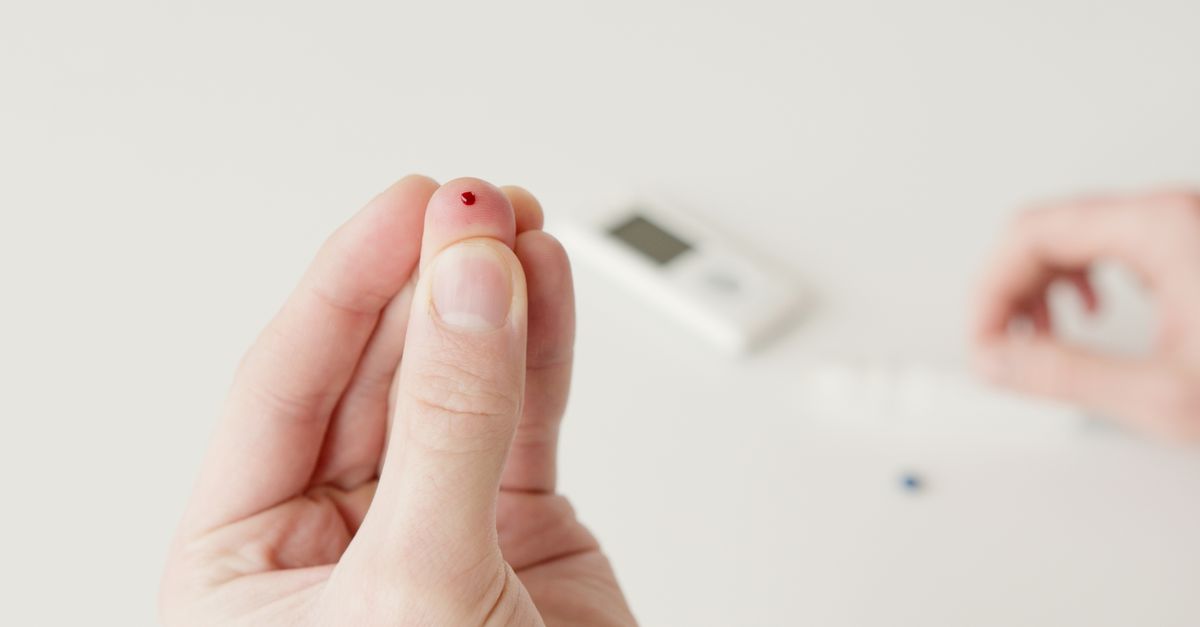
What is Wound Care and Diabetic Foot Care?
Wound care is the evaluation and treatment of breaks in the skin that are not healing as expected. On the feet, these may be ulcers, cuts, blisters, pressure sores, ingrown nail wounds or surgical sites. The feet carry body weight with every step and sit far from the heart, so healing can be difficult, especially when circulation or sensation is reduced.
Diabetic foot care focuses on preventing and treating complications of diabetes in the feet. High blood sugar over time can injure nerves (peripheral neuropathy) and narrow blood vessels, and it can weaken the body's response to infection. A person may develop a sore without feeling it, and it may heal slowly. Medical organizations, including the American Diabetes Association, recommend that people with diabetes have a comprehensive foot exam at least once a year, and more often when risk is higher.
This care helps people with diabetes, those with circulation problems, older adults, and anyone with a wound that will not close. Podiatric care is well suited to this work because it addresses the whole foot: skin, nails, bones, joints and footwear. The evidence is consistent that early attention, pressure relief, infection control and good routines lower the risk of serious complications.
Signs it is time to be seen
- A cut, blister or sore on the foot that is slow to heal or has not improved in a couple of weeks
- Redness, warmth, swelling or drainage around a wound
- Numbness, tingling or burning in the feet, or a loss of the feeling of protection
- Skin that is very dry, cracked, discolored or thickened with calluses
- Changes in foot shape, or new pressure spots from shoes
- Thickened, ingrown or discolored toenails in a person with diabetes
- Foot odor, or a wound that looks darker or has an unusual smell
What to Expect
- Thorough history and foot exam including skin, sensation, pulses and any wound
- Treatment matched to the cause: pressure, poor circulation, neuropathy or infection
- Wounds rechecked and measured over time so the plan can be adjusted
- Practical guidance on daily foot checks, skin care, nail care and shoes
- Ongoing prevention to lower the chance of new problems
Our Approach to Wound Care and Diabetic Foot Care
Initial Assessment
Your visit begins with a review of your health history, diabetes management, medications and circulation. Dr. Ogilvie examines the skin, nails, bone structure, sensation and any wound, noting its size, depth, drainage and surrounding tissue.
Personalized Plan
Treatment is matched to the cause of the problem, whether that is pressure, poor circulation, neuropathy or infection. Your plan explains wound dressings, activity changes, footwear and the schedule of follow-up visits.
Ongoing Support
Wounds are rechecked and measured over time so the plan can be adjusted. You also get practical guidance on daily foot checks, skin care, nail care and shoes to help prevent problems from returning.
Benefits
Whole-Foot Focus
Podiatric care addresses the whole foot: skin, nails, bones, joints and footwear.
Early Attention
Early attention, pressure relief, infection control and good routines lower the risk of serious complications.
Cause-Matched Treatment
Treatment is matched to the cause of the problem, whether that is pressure, poor circulation, neuropathy or infection.
Prevention Guidance
Practical guidance on daily foot checks, skin care, nail care and shoes helps prevent problems from returning.
What to Expect
First Visit
A thorough history and foot exam, including skin, sensation, pulses and any wound. You leave with a clear plan, initial wound care and instructions for home.
Week 2-4
Follow-up to check progress, clean away unhealthy tissue if needed, and adjust dressings or off-loading. Many wounds show measurable change in this window, though healing speed varies.
Month 1-3
Continued monitoring until the wound closes. If healing stalls, your physician may reassess circulation, infection or pressure and refer for additional testing.
Long-term
Routine foot checks, nail and callus care, and footwear guidance help lower the chance of new problems. Diabetes affects healing, so ongoing prevention matters.
Treatments and therapies
Care is tailored to each patient and may include the following, depending on what the exam shows:
Debridement, the careful removal of dead or unhealthy tissue so a wound can heal.
Dressings selected for the wound's moisture level, depth and drainage.
Off-loading strategies, such as padding, shoe modification or protective footwear, to take pressure off the area.
Evaluation for infection, with medication when appropriate, and referral for imaging or lab work when needed.
Circulation screening and referral to other specialists when blood flow may be limiting healing.
Routine diabetic foot exams, including skin, nail and callus care.
Education on blood sugar control, daily inspection and proper footwear.
Healing Time
Healing time depends on the wound, blood flow, infection and overall health. Your physician will discuss realistic expectations for your situation.
Common Questions About Wound Care and Diabetic Foot Care
Why is foot care so important when I have diabetes?
Diabetes can damage nerves and reduce blood flow. You may not feel a blister or cut, and healing can be slower. Small problems can become serious if not noticed, so regular exams and daily checks are widely recommended.
When should I have a foot wound looked at?
Have it checked promptly if it does not begin improving within a week or two, or sooner with diabetes. Spreading redness, warmth, drainage, odor, fever or new pain need urgent attention.
Will treatment hurt?
Many people with neuropathy feel little. If tissue needs to be removed, your physician works carefully and talks with you about comfort. Let the office know about any concerns before your visit.
What can I do at home between visits?
Inspect both feet daily, including the soles and between the toes, using a mirror if needed. Wash and dry gently, moisturize (not between the toes), never walk barefoot, and wear well-fitting shoes and clean socks. Follow your dressing instructions exactly.
How do I schedule a visit?
Call (303) 537-4714 or use the contact page. The office is at 588 North Highway 287, Suite 204, Lafayette, CO 80026, open Monday through Friday, 9am to 3pm.
Ready to Get Help with Wound Care and Diabetic Foot Care?
Call (303) 537-4714, Monday through Friday, 9am to 3pm, or send a message online.
Book an Appointment