
Conservative Care vs Surgery for Bunions
Choosing between non-surgical care and surgery starts with understanding what each can and cannot do for your foot.
Side-by-Side Comparison
Conservative Care
Conservative care focuses on reducing pain and pressure rather than changing the bone. Common tools include wider shoes with a roomy toe box, protective padding, toe spacers, custom or over-the-counter orthotics, activity modification, anti-inflammatory measures and, in some cases, targeted foot exercises.
Evidence shows these measures can meaningfully reduce discomfort, particularly when started early. They do not correct the underlying alignment, so the bump remains. The goal is comfort and function, and for many people that goal is enough.
A typical candidate has mild to moderate symptoms, pain mainly in tight shoes, and no major limits on walking. Expect an exam, a review of your footwear and activities, and a plan you can carry out day to day, with follow-up to check progress.
Bunion Surgery
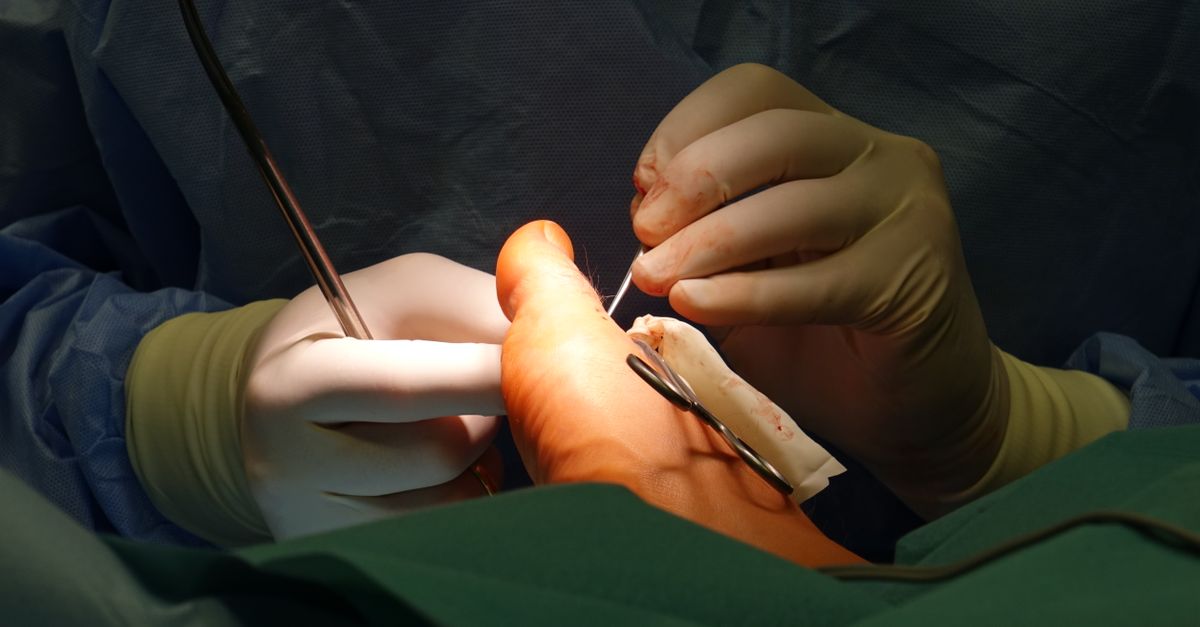
Bunion surgery, called a bunionectomy, realigns the bones and soft tissues around the big toe joint. There are many techniques, and the right one depends on the severity of the deformity, joint stability, and your overall foot structure.
Surgery is generally considered when pain continues despite conservative care or when the deformity interferes with daily life. Results are often good for pain relief and alignment, yet recurrence, stiffness and prolonged swelling are possible, and recovery requires patience.
Expect a pre-operative evaluation with imaging, a discussion of procedure options, a period of protected walking afterward, and staged return to regular shoes and activities. Your podiatrist will explain the specific timeline for your procedure.
How to Decide
Choose conservative care if...
- Your bunion is mild to moderate and symptoms are manageable
- Pain mostly comes on in tight or narrow shoes
- You are not ready for a surgical recovery
- Other health factors make surgery less advisable
Choose surgery if...
- Pain persists despite appropriate conservative care
- The deformity limits walking, work or exercise
- Your toe is significantly misaligned or crowding other toes
- You want to correct the alignment and can commit to recovery
Frequently Asked Questions
Can a bunion go away without surgery?
No. Non-surgical care cannot straighten the bone. It can, however, reduce pain, ease pressure and slow irritation so many people stay comfortable without an operation.
When should I consider bunion surgery?
Surgery is worth discussing when pain persists despite supportive footwear, padding and orthotics, or when the bunion limits walking, work or activities you value.
Will a bunion get worse if I wait?
Bunions often progress gradually, though the pace varies widely. Footwear, foot structure and genetics all play a role. An evaluation can help you understand your own risk.
Is trying conservative care first a waste of time?
Not usually. Even if surgery is later chosen, conservative care can ease symptoms in the meantime and shows how much your pain is affecting daily life.
How do I find out which option fits me?
An in-person exam with a podiatrist, often with weight-bearing X-rays, shows the degree of deformity and joint changes. Deann Hofer Ogilvie, DPM, can review your options with you.
Ready to Talk Through Your Bunion Options?
Call (303) 537-4714 or visit us at 588 North Highway 287, Suite 204, Lafayette, CO 80026. Office hours: Mon-Fri 9am-3pm.
Discuss Your Options