
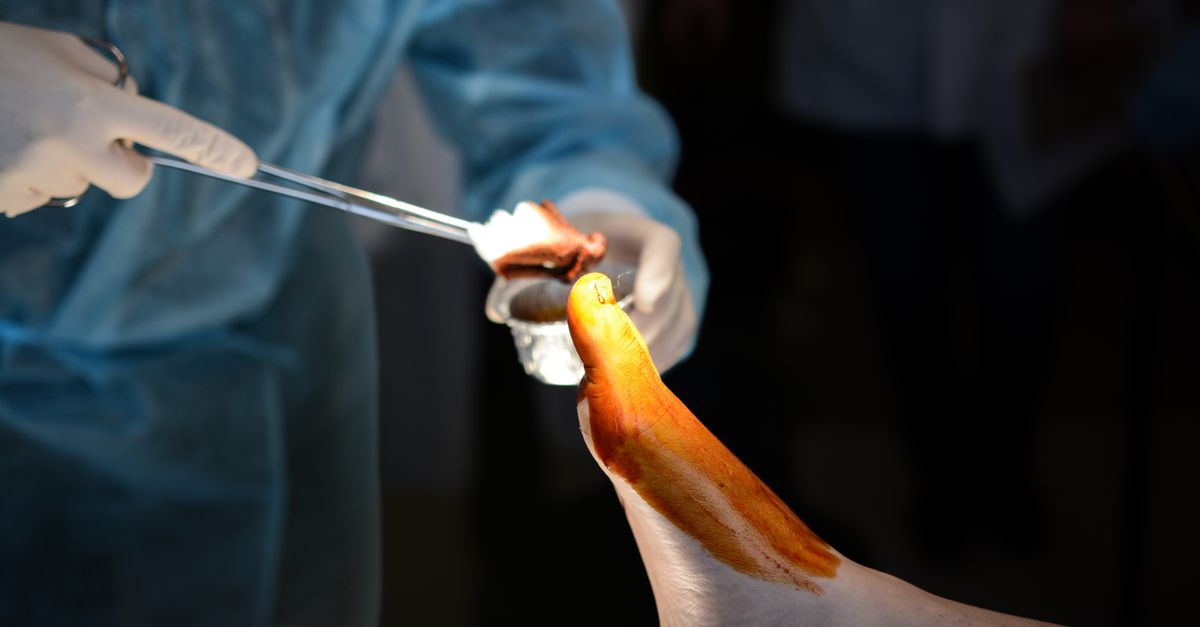
That bump on the side of your big toe may have started as a small annoyance. Now it rubs against your shoes, aches by the end of the day, and makes you wonder whether you are headed for an operating room. If that sounds familiar, you are not alone, and the good news is that most bunions do not need surgery right away.
What Is a Bunion?
A bunion, known medically as hallux valgus, is a bony change at the base of the big toe. The big toe drifts toward the smaller toes, and the joint at its base becomes prominent. The area can become red, swollen, and tender, especially when pressed by footwear.
A bunion is not simply extra bone growing on the foot. It reflects a change in how the bones of the front of the foot are aligned, which is why it tends to progress slowly over time.
Who Gets Bunions?
Bunions are common and affect many adults, and they are seen more often in women. Several factors contribute:
- Family history and inherited foot shape, such as flat feet or looser joints
- Narrow, tight, or high-heeled shoes that squeeze the toes
- Inflammatory conditions such as arthritis
- Foot injuries or abnormal mechanics when walking
Shoes alone rarely cause a bunion, but they can make an existing one more painful and may speed its progression.
Non-Surgical Options Come First
Conservative care is the usual starting point. It cannot straighten the bone, but it can often relieve pain and let you stay active. Options a podiatrist may discuss include:
- Shoes with a wide toe box and good support
- Padding or protective cushions over the bump
- Custom or over-the-counter orthotic inserts to improve foot mechanics
- Anti-inflammatory medication or ice for flare-ups
- Activity changes that reduce pressure on the joint
Research on bunion care consistently shows that these measures can ease symptoms, while there is limited evidence that splints or toe spacers permanently correct the deformity.
A bunion is not simply extra bone growing on the foot.
When Surgery May Be Worth Considering
Surgery is generally considered when pain persists despite sensible conservative care and starts to limit your life. Signs it may be time to talk about it include:
- Persistent pain that interferes with walking, work, or exercise
- Ongoing swelling or inflammation that does not settle with rest
- Toe drift that crowds or overlaps the neighboring toes
- Difficulty finding any shoes that fit comfortably
- Stiffness or limited movement of the big toe
Surgery should not be done only for appearance. There are many different procedures, and the right one depends on the severity of the deformity, the condition of the joint, and your overall health and goals.
What to Expect From Surgery
Bunion surgery realigns the bones and soft tissues around the big toe joint. Recovery varies with the procedure, but it often involves a period of protected walking, swelling that lingers for weeks, and a gradual return to regular shoes. Like any surgery, it carries risks, including stiffness, infection, or the bunion returning, so an honest conversation about benefits and limits matters.
Get an Evaluation
You do not have to decide alone or live with pain as a given. An exam and foot X-rays can show how far a bunion has progressed and which options make sense. Deann Hofer Ogilvie, DPM, sees patients at our Lafayette, CO office, Monday through Friday, 9am to 3pm. Call (303) 537-4714 to schedule a visit and talk through what is right for your feet.