
Every parent has watched a toddler take those first wobbly steps and wondered whether everything is developing as it should. Feet carry your child through every run, jump and playground adventure, yet they often get less attention than teeth or eyes. The habits you build now can shape comfort and mobility for years to come.
How a Child's Foot Develops
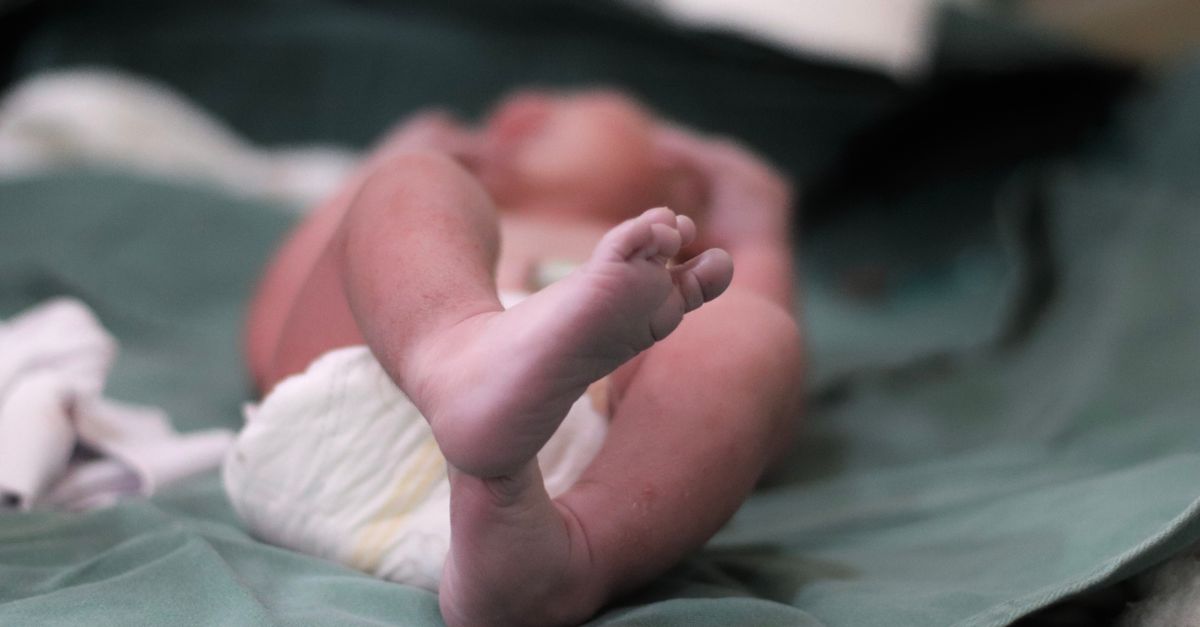
A baby's foot is made largely of soft cartilage, which gradually hardens into bone throughout childhood and the teen years. Each foot contains 26 bones, and many of them are not fully formed until adolescence. Because the structure is still soft and flexible, it can be shaped by pressure, such as shoes that are too tight or narrow.
Babies also appear to have flat feet, since the arch has not yet developed and a pad of fat fills the area. Most children develop an arch gradually over the first several years of life.
Common Concerns Parents Notice
Many foot variations are a normal part of growing up. Still, it helps to know what is common and what deserves a closer look.
- Flat feet: Flexible flat feet are very common in children and often improve with age. Pain, stiffness or a foot that stays flat on tiptoe should be evaluated.
- In-toeing or out-toeing: Toes that point inward or outward often correct on their own, but frequent tripping or a worsening pattern is worth checking.
- Toe walking: Occasional toe walking is common in toddlers. Persistent toe walking after about age two may signal tight calf muscles or another cause.
- Heel pain: Active kids, especially between about 8 and 14, may develop heel pain related to growth and repetitive activity.
- Ingrown toenails and warts: Both are common in children and can be uncomfortable if ignored.
Because the structure is still soft and flexible, it can be shaped by pressure, such as shoes that are too tight or narrow.
Why Early Attention Matters
Children rarely complain about foot problems. They may simply stop joining in, ask to be carried, or change the way they walk. Because bones and joints are still growing, some conditions are easier to manage when identified early. Pediatric orthopedic literature has long noted that growing bones respond well to guidance, while problems left alone can affect posture, the knees, the hips and the back.
Research also suggests that ill-fitting footwear is a common contributor to toe deformities and discomfort in children, which is why shoe choice is one of the simplest ways to protect their feet.
Practical Tips for Everyday Foot Care
- Measure both feet every few months, standing, and fit shoes to the larger foot.
- Leave about a thumb’s width of space between the longest toe and the end of the shoe.
- Choose flexible, breathable shoes with a firm heel and a sole that bends at the ball of the foot.
- Let children go barefoot in safe places at home to build strength and balance.
- Cut toenails straight across and check between the toes for dryness, redness or peeling.
- Replace worn-out or outgrown shoes instead of handing them down.
Choosing Shoes That Support Growth
Children's feet can grow quickly, sometimes needing a new size every few months in the early years. Check fit often, and try shoes on at the end of the day when feet are slightly larger. Have your child stand and walk in the shoes in the store. Avoid buying shoes for them to "grow into," since a loose shoe can cause rubbing and tripping. Hand-me-downs may have molded to another child's foot and wear pattern, so use them with caution.
Signs It's Time to See a Podiatrist
Consider an evaluation if your child has any of the following:
- Ongoing foot, heel or ankle pain, or pain that limits activity
- Frequent tripping, limping or a changing walking pattern
- Arches that look rigid, or feet that seem to roll inward significantly
- Redness, swelling or drainage around a toenail
- A wart or skin change that is spreading or painful
Support for Your Family
You know your child best, and your instincts matter. If something about the way your child walks, runs or complains about their feet worries you, a professional evaluation can bring clarity and peace of mind. Call Ascend Foot & Ankle Center in Lafayette, CO at (303) 537-4714 to talk with Deann Hofer Ogilvie, DPM, about your child's foot health.