
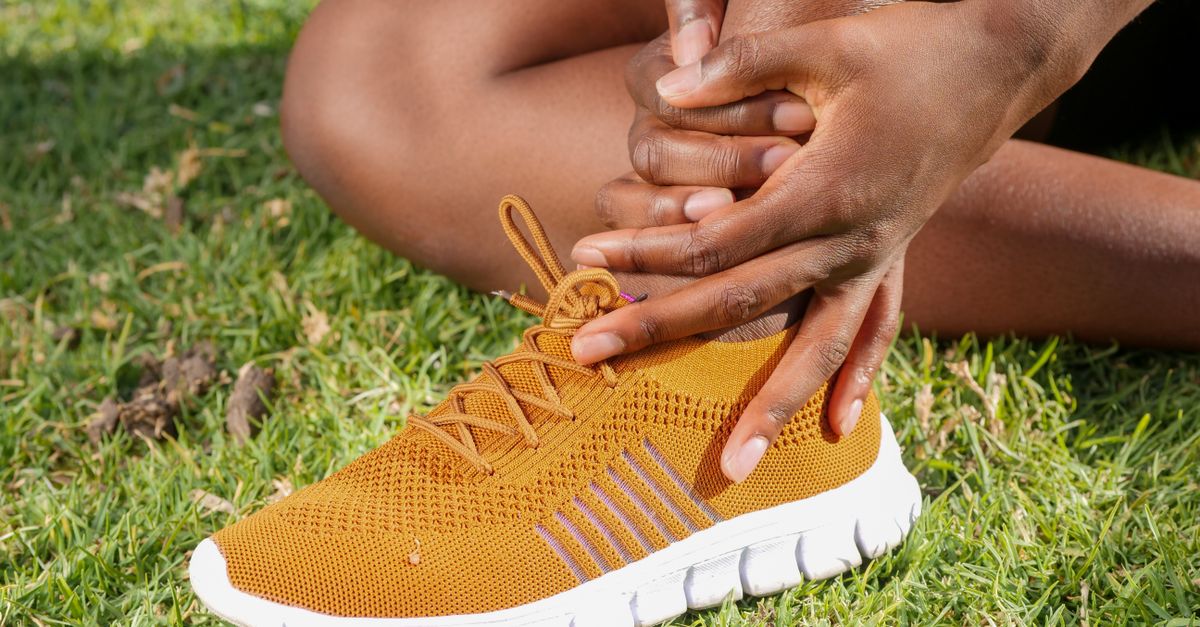
Every step you take lands with a force greater than your body weight. When your feet hurt, even a short walk to the mailbox can feel like a chore, and the shoes you slip on each morning either ease that load or make it worse. The good news is that footwear is one of the few contributors to foot pain you can change today.
Why Shoes Matter for Foot Pain
Your feet contain 26 bones and dozens of joints, ligaments and tendons. Shoes shape how pressure is spread across all of them. A shoe that is too narrow can squeeze the forefoot, while one with poor support can let the arch stretch with every step. Over time, ill-fitting footwear is associated with problems such as bunions, hammertoes, neuromas, plantar fasciitis and heel pain.
Research on footwear and foot health has consistently found that shoe fit is a common problem. Many adults wear shoes that are shorter or narrower than their feet, and that mismatch is linked to painful deformities and discomfort.
Who Is Most Affected
Anyone can develop shoe-related pain, but some people feel it more. Those who stand for long shifts, runners, people with flat feet or high arches, adults with diabetes or arthritis, and anyone who is pregnant or has gained weight may notice symptoms sooner. Feet also change with age, often becoming longer and wider, so the size you wore a decade ago may no longer fit.
The Features That Count
Fit and toe room. The toe box should let your toes spread naturally without rubbing. Pointed or sharply tapered styles often crowd the toes.
Arch support. A shoe should match the shape of your arch. People with flat feet often need firmer support, while high arches may benefit from added cushioning.
Heel stability. A firm heel counter keeps the heel steady and can reduce strain on the Achilles tendon and plantar fascia.
Cushioning and flexibility. Enough padding absorbs impact, but a shoe that is too soft can feel unstable. The shoe should flex where your toes bend.
Practical Shopping Tips
- Shop in the afternoon, when feet are at their largest.
- Leave about a thumb’s width of space between your longest toe and the end of the shoe.
- Choose a firm heel counter that does not collapse when pressed.
- Look for a shoe that bends at the ball of the foot, not in the middle.
- Replace athletic shoes when the cushioning feels flat or the tread is worn.
- Bring the socks and any orthotics you normally wear when trying on shoes.
Shoes to Be Cautious About
High heels shift weight onto the ball of the foot and can shorten the calf muscles over time. Completely flat, thin-soled shoes such as some flip-flops and ballet flats offer little shock absorption or arch support. These are fine for short periods, but they are not ideal for long days on your feet, especially if you already have pain.
When Shoes Are Not Enough
Better footwear helps many people, but it does not solve every problem. If pain lasts more than a couple of weeks, wakes you at night, causes swelling, numbness or changes in the shape of your foot, it deserves a professional evaluation. People with diabetes should be especially careful, since small pressure spots can become wounds. Depending on the cause, a podiatrist may recommend stretching, custom or over-the-counter inserts, activity changes or other treatment.
Take the Next Step
You should not have to plan your day around foot pain. If new shoes have not brought relief, Deann Hofer Ogilvie, DPM, can help you look for the cause and discuss options. Call (303) 537-4714 or visit our office at 588 North Highway 287, Suite 204, Lafayette, CO 80026. Office hours are Monday through Friday, 9am to 3pm.