
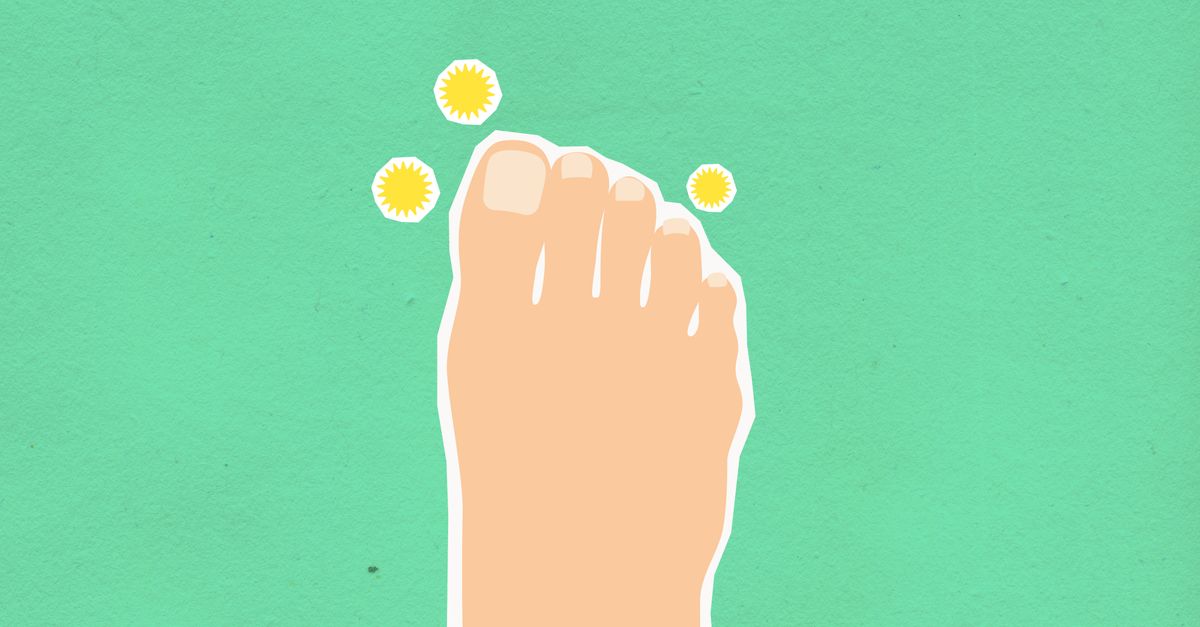
It starts as a vague sensation, like a pebble tucked under your toes or a bunched-up sock. Then the burning begins, sometimes with tingling or numbness that creeps into your toes. You slip off your shoe and rub your foot, and relief comes, but only for a moment. If this sounds familiar, you may be dealing with a foot neuroma, and you are far from alone.
What Is a Foot Neuroma?
The most common type is Morton neuroma. Despite the name, it is not a tumor in the usual sense. It is a thickening of tissue around one of the nerves that run between the long bones of the forefoot, most often between the third and fourth toes. When the nerve is squeezed or irritated over time, the surrounding tissue thickens, and the nerve becomes more sensitive to pressure and movement.
Why the Ball of Your Foot Burns
Nerves carry sensation, so when one is compressed it can send out burning, stinging, or electric-like signals. With a neuroma, the nerve is pinched between the metatarsal bones, particularly when you walk, stand on your toes, or wear tight shoes. Common symptoms include:
- Burning pain in the ball of the foot that may radiate into the toes
- Tingling or numbness in the affected toes
- A feeling of standing on a pebble or a folded sock
- Pain that eases when you remove your shoes and massage the area
Who Is Most Likely to Develop One?
Neuromas are reported more often in women than in men, and research has long linked this to footwear that squeezes the forefoot, such as high heels and narrow dress shoes. Other contributors include:
- High-impact sports like running or court sports that stress the forefoot
- Foot shapes such as flat feet, high arches, or bunions
- Previous forefoot injuries
- Occupations that involve long hours standing or kneeling
How a Neuroma Is Diagnosed
Diagnosis usually begins with a conversation about your symptoms and a hands-on exam. A podiatrist may press on the forefoot or gently squeeze the foot from the sides to see whether this reproduces a click or your familiar burning. Imaging such as ultrasound or MRI is sometimes used to confirm the diagnosis or rule out other causes, including stress fractures, joint inflammation, or other nerve problems. Getting the right diagnosis matters because several conditions can feel similar.
What the Evidence Says About Treatment
Clinical guidance generally favors starting with conservative care, especially early on. Many people improve when pressure on the nerve is reduced. Options may include footwear changes, padding or arch supports, custom orthotic devices, activity modification, anti-inflammatory measures, and in some cases corticosteroid injections. Studies suggest that earlier treatment is associated with better outcomes with non-surgical approaches. If symptoms persist despite these steps, surgical options such as removing the affected nerve segment or releasing surrounding tissue may be discussed.
Practical Tips You Can Start Today
- Choose shoes with a wide toe box that lets your toes spread naturally.
- Avoid high heels and narrow, pointed shoes whenever possible.
- Use cushioned insoles or metatarsal pads to take pressure off the nerve.
- Rest and ice the area after long days on your feet.
- Modify high-impact activities such as running while symptoms settle.
These steps can ease irritation, but they do not replace an exam. Burning that lasts more than a few weeks, worsens, or interrupts walking and sleep deserves professional attention.
When to See a Podiatrist
You do not have to live with a burning forefoot. A podiatrist can identify the true source of your pain and build a plan around your feet, your shoes, and your daily life. At Ascend Foot & Ankle Center in Lafayette, CO, Deann Hofer Ogilvie, DPM, can evaluate forefoot pain and talk with you about your options. Call (303) 537-4714 to schedule a visit during office hours, Monday through Friday, 9am to 3pm.