
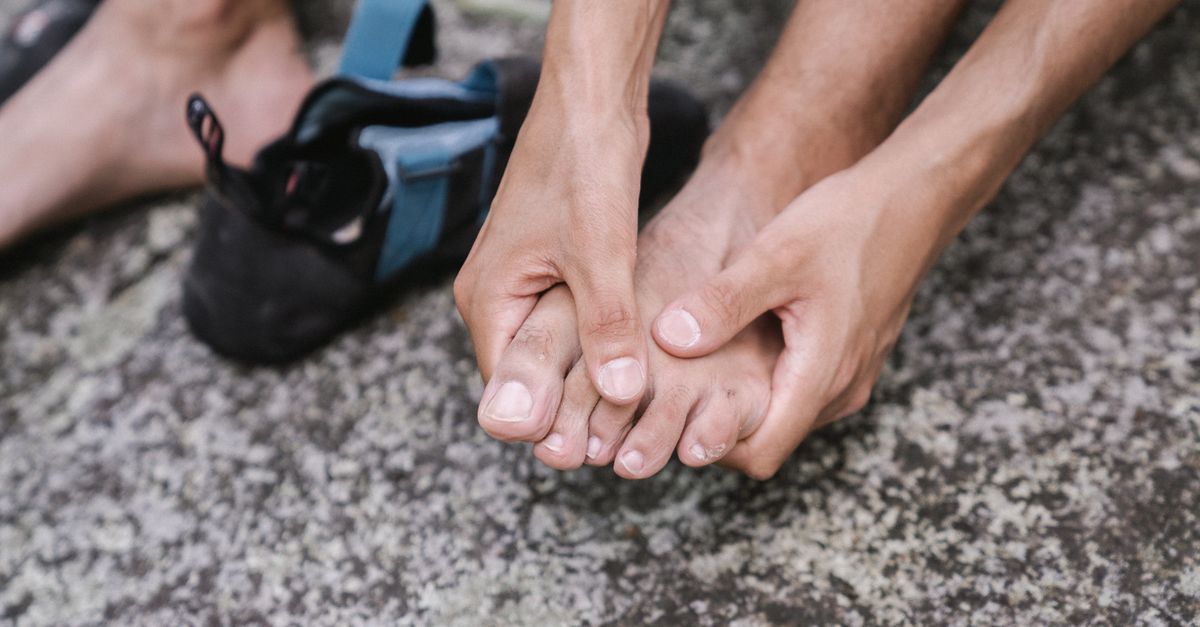
It often starts quietly. A shoe that used to feel fine begins to rub on the top of a toe. A small red spot turns into a callus. Then one day you notice a toe that no longer lies flat; it bends upward at the middle joint, like a tiny hammer. Hammertoes are common, and while they can be frustrating and painful, there is a lot you can do about them, especially when you act early.
What Is a Hammertoe?
A hammertoe is a deformity in which a toe bends abnormally at the middle joint, so the tip points downward and the joint pokes upward. It most often affects the second, third or fourth toe. A related problem, mallet toe, involves the joint closest to the toenail, and claw toe involves bending at more than one joint.
In the early stage the toe is flexible, meaning you can still straighten it with your hand. Over time, the tendons tighten and the joint can stiffen into a fixed position. This is why early attention matters: a flexible toe usually has more conservative options than a rigid one.
What Causes Hammertoes?
Hammertoes develop when the muscles and tendons that hold the toe straight become imbalanced. The toe is pulled into a bent position and, with time, stays there. Common contributors include:
- Shoes that are too short, narrow or pointed, or high heels that push the toes forward
- Foot structure, such as a high arch or flat feet, that changes how tendons pull on the toes
- Bunions, which can crowd the neighboring toes
- Muscle or nerve conditions, including nerve damage related to diabetes
- Previous toe injuries, such as a stubbed or broken toe
- Family history, since foot shape tends to run in families
Who Is Affected and Why It Matters
Hammertoes can affect people of any age, but they become more common as we get older. Women are affected more often than men, which many foot specialists link to footwear styles. People with diabetes, arthritis or neuropathy also deserve extra attention, because reduced sensation can hide pressure sores.
Left alone, a hammertoe can cause corns on the top of the toe, calluses under the ball of the foot, pain with walking, and open sores. Changes in how you walk to avoid discomfort can also strain the foot, knee or hip. If you have diabetes or poor circulation, any skin breakdown should be evaluated promptly.
What the Evidence Says About Treatment
Clinical guidance from foot and ankle organizations generally recommends starting with conservative care for flexible hammertoes. Roomier footwear, padding and supportive inserts reduce pressure and can relieve symptoms, although they do not straighten a toe that has already bent. For rigid or painful deformities that do not respond to these measures, surgery may be discussed to release tendons or realign the joint. The right choice depends on your symptoms, the stiffness of the toe, your health and your goals.
Practical Tips for Everyday Care
- Choose shoes with a deep, wide toe box and about a thumb’s width of space beyond your longest toe
- Limit high heels and pointed styles, especially for long days on your feet
- Use soft gel toe sleeves or cushions to protect the top of the bent joint
- Ask about orthotic inserts if you have a high arch, flat foot or bunion
- Gently stretch and move your toes, such as picking up a towel or marbles with them, if it is comfortable
- Check your feet regularly for redness, blisters or sores, particularly if you have diabetes
- Avoid medicated corn removers, which can irritate or injure the skin
When to See a Podiatrist
Make an appointment if a toe is painful, if it is becoming stiff, if you have recurring corns or calluses, or if shoes no longer fit comfortably. Seek care right away if you notice an open sore, drainage, warmth or swelling, particularly with diabetes or circulation problems. A podiatrist can examine the toe, assess how flexible it is, and recommend a plan matched to you.
You do not have to live with sore toes or avoid the shoes you enjoy. Deann Hofer Ogilvie, DPM, provides foot and ankle care in Lafayette, CO. Call (303) 537-4714 to talk about your symptoms and find out which options may help.