
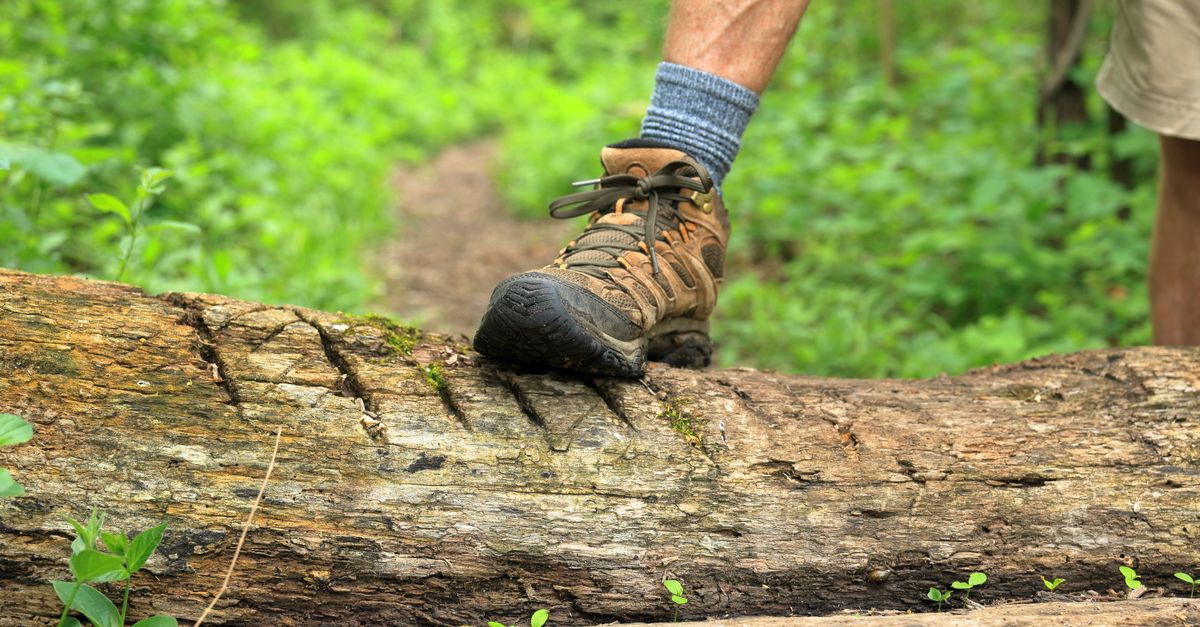
You have been looking forward to the trail all week. Then, a few miles in, a hot spot on your heel turns into a blister, or your ankle rolls on a loose rock, and the day you planned becomes a long, painful walk back. Foot problems are among the most common reasons hikers cut an outing short, and many of them are preventable.
Why Trails Are Hard on Your Feet
Hiking asks your feet to do more than city walking. Uneven ground forces the small stabilizing muscles and tendons to work constantly. Climbing loads the calf, Achilles tendon and forefoot, while descending sends repeated impact through the heels, toes and knees. Add a loaded pack, heat, moisture and miles, and minor friction or strain can become a real injury.
Common Hiking and Trail Foot Injuries
Anyone who hikes can be affected, from weekend walkers to seasoned backpackers. People with flat feet, high arches, bunions or previous ankle injuries may be more prone to trouble. The most frequent problems include:
- Blisters, caused by friction, moisture and heat between skin and sock or shoe.
- Ankle sprains, when the foot rolls and stretches or tears the supporting ligaments.
- Achilles tendinopathy, pain and stiffness at the back of the heel or lower calf.
- Plantar fasciitis, a stabbing heel or arch pain, often worst with the first steps in the morning.
- Black toenails, bruising under the nail from toes striking the front of the boot on descents.
- Metatarsal stress injuries, aching in the ball of the foot that can progress to a stress fracture.
Pain that keeps getting worse, or that changes how you walk, is your body asking for attention.
What the Research Tells Us
Studies of ankle sprains show that a previous sprain is one of the strongest predictors of another, and that incomplete rehabilitation raises the risk of chronic instability. Research on blisters points to friction and moisture as the key drivers, which is why sock choice and fit matter so much. Overuse injuries such as tendinopathy and stress fractures tend to follow sudden jumps in mileage or elevation, rather than a single event.
Practical Ways to Protect Your Feet
- Choose footwear that fits well, with room for your toes and a secure heel. Try boots on in the afternoon, when feet are slightly swollen, and wear the socks you will hike in.
- Wear moisture-wicking socks, and carry a spare pair to change into if your feet get wet.
- Break in new shoes gradually before a long hike.
- Increase distance and elevation gradually, rather than all at once.
- Treat hot spots early with tape or a blister dressing before skin breaks down.
- Trim toenails straight across and keep them short to reduce pressure on descents.
- Strengthen your calves, ankles and feet, and practice balance exercises between hikes.
- Consider trekking poles to reduce load on joints, especially downhill.
What to Do If You Get Hurt
For a mild sprain or sore tendon, rest, ice, gentle compression and elevation can help calm symptoms in the first days. Avoid pushing through sharp pain. For blisters, keep the area clean and covered, and avoid popping a large one unless needed, as intact skin is a natural barrier against infection.
When to See a Podiatrist
Seek care if you cannot put weight on your foot, notice significant swelling or bruising, feel numbness, or see signs of infection such as spreading redness, warmth or drainage. Persistent heel, arch or forefoot pain that lasts more than a couple of weeks also deserves evaluation, as does an ankle that keeps giving way. People with diabetes should have any foot wound checked promptly.
Deann Hofer Ogilvie, DPM, can evaluate trail-related foot and ankle pain and help you build a plan to get back outdoors. Call (303) 537-4714 or reach out through our contact page to schedule a visit at our Lafayette, CO office.