
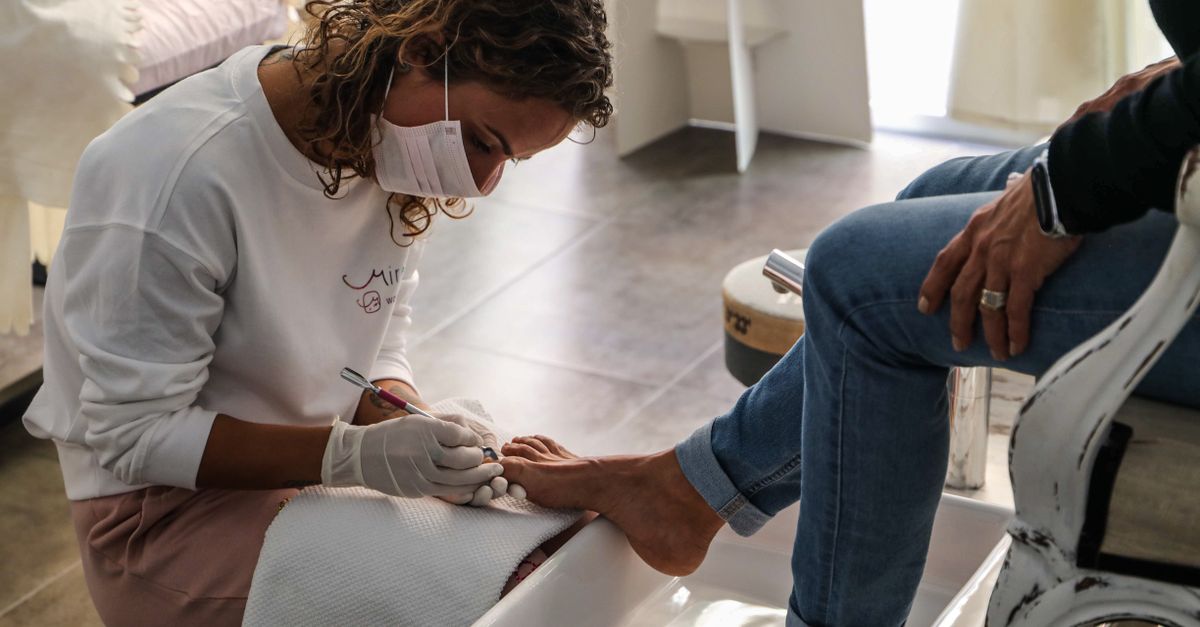
It starts as a small tenderness along the edge of your big toe. Then your sock hurts, your shoe hurts, and even a bedsheet feels unbearable. An ingrown toenail is a small problem that can take over your whole day. The good news is that early, gentle care often helps, and knowing when to stop treating it yourself can prevent a minor irritation from becoming a painful infection.
What Is an Ingrown Toenail?
An ingrown toenail occurs when the edge of a nail grows into the soft skin beside it. The skin becomes red, swollen, and tender, and the area may feel warm. The big toe is most often affected, though any toe can develop the problem. Left alone, the skin can break down, drain fluid, and become infected.
Who Is Affected and Why
Ingrown toenails affect people of all ages, from teenagers to older adults. Common contributors include:
- Cutting nails too short or rounding the corners
- Tight, narrow, or pointed shoes that crowd the toes
- Injury, such as stubbing a toe or repeated pressure from sports
- Naturally curved nails or a family tendency toward them
- Picking or tearing at the nail edges
Safe Home Care for Mild Cases
If the toe is sore but there is no pus, spreading redness, or significant swelling, gentle home care is a reasonable first step. Podiatric guidance generally recommends the following:
- Soak the foot in warm water for 15 to 20 minutes, three to four times a day. Adding Epsom salt is optional.
- Dry the foot thoroughly, then gently massage the swollen skin along the nail edge to help ease it away from the nail.
- Keep the area clean and wear roomy, open, or soft-toed shoes while it heals.
- Use an over-the-counter pain reliever as directed on the label if you need comfort.
- Change socks daily and keep the toe dry between soaks.
Many mild cases improve within a few days with consistent soaking and better footwear. If there is no improvement, or symptoms worsen, it is time to get help.
What Not to Do
It is tempting to grab clippers and fix the problem yourself, but certain habits make things worse.
- Do not cut a V-shape into the nail. This myth does not change the way the nail grows.
- Do not dig into the corner of the nail with sharp tools, which can cause injury and introduce bacteria.
- Do not keep wearing tight shoes and hope the toe settles on its own.
- Do not ignore the problem if you have diabetes, poor circulation, or numbness in your feet. Even small foot wounds deserve prompt professional attention.
Signs You Need Professional Care
Seek an evaluation promptly if you notice pus or drainage, redness spreading beyond the toe, increasing pain, a bad odor, fever, or overgrown tissue covering part of the nail. Recurring ingrown nails also warrant a visit, since a lasting solution may be needed. Depending on severity, a podiatrist may lift the nail edge, remove the troublesome portion of the nail after numbing the toe, or treat an infection. For nails that keep returning, a procedure addressing the nail root may be discussed. These in-office treatments are commonly performed and usually bring quick relief.
Preventing the Next One
Trim toenails straight across, leaving them slightly long enough to clear the skin edge. Avoid rounding the corners. Choose shoes with enough width in the toe box, and check your feet regularly, especially after injuries or heavy activity. These small habits significantly lower the chance of recurrence.
Get Help Before It Gets Worse
You do not have to live with a painful toe. If home care is not working, or you see signs of infection, Deann Hofer Ogilvie, DPM, can evaluate your toe at Ascend Foot & Ankle Center in Lafayette, CO. Call (303) 537-4714 during office hours, Monday through Friday, 9am to 3pm, or reach out through our contact page.