
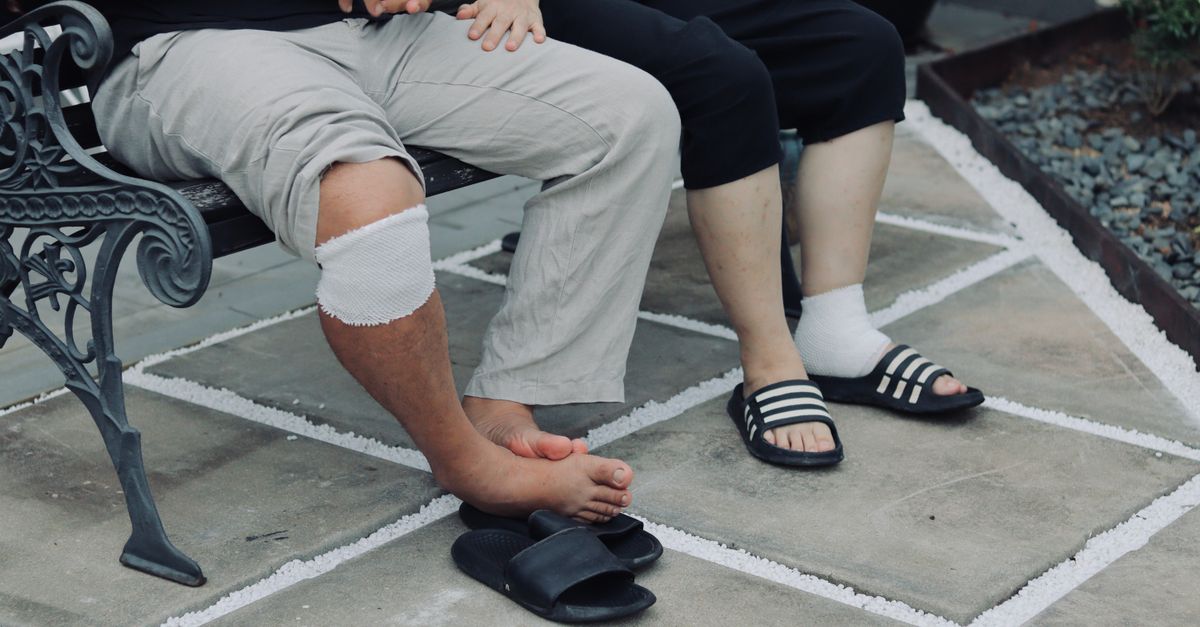
One awkward step off a curb, a slip on an icy trail, a bad landing on the soccer field. In a moment, plans change, and the days ahead are suddenly about crutches, swelling and uncertainty. If you are recovering from a broken ankle, it is normal to wonder how long it will take and whether you will get back to the things you love. Understanding the healing process makes it easier to take part in it.
What an Ankle Fracture Is
The ankle joint is formed by three bones: the tibia (shinbone), the fibula (the thinner bone on the outside of the leg) and the talus, which sits beneath them. A fracture means one or more of these bones has cracked or broken. Some breaks are small and stable. Others involve several bones, damage the ligaments that hold the joint steady, or shift the bones out of position.
Who Is Affected and Why It Matters
Ankle fractures happen to people of nearly every age: athletes, active adults, older adults with lower bone density, and children. Twisting injuries, falls, sports collisions and car accidents are common causes. Because the ankle carries your full body weight with every step, a break that heals poorly can lead to lasting stiffness, instability or early arthritis in the joint. Careful treatment and follow-through matter.
Signs You May Have Broken Your Ankle
A sprain and a fracture can feel alike, which is why imaging is so important. Seek prompt evaluation if you notice any of the following:
- Significant pain, especially when trying to bear weight
- Swelling and bruising around the ankle
- Tenderness over the bone
- Visible deformity or an ankle that looks out of place
- Numbness or tingling in the foot
An exam and X-rays usually show whether the bone is broken and whether the joint is stable. Sometimes additional imaging is used to look closer at the injury.
Treatment: Casting or Surgery
Stable fractures in which the bones remain aligned are often treated without surgery, using a cast, splint or walking boot and a period of limited or no weight bearing. When bones are displaced or the joint is unstable, surgery may be recommended to realign the bones and hold them in place with plates, screws or rods. The right approach depends on the pattern of the break, your overall health and your activity goals.
What the Recovery Timeline Looks Like
Bone generally needs about six to twelve weeks to knit together, though the exact timeline varies with the type of fracture, your age and your health. A typical path looks like this:
- Early weeks: protection, elevation and swelling control, usually with no weight on the foot.
- Middle weeks: follow-up X-rays confirm healing, and gradual weight bearing may begin in a boot or brace.
- Later weeks and months: physical therapy to restore motion, strength and balance, then a staged return to activity.
Even after the bone has healed, swelling and stiffness can linger for months. That is common and does not mean something has gone wrong, but it is worth mentioning at your visits.
Practical Tips for Healing Well
- Keep weight off the ankle exactly as instructed until your physician clears you.
- Elevate the foot above heart level to help manage swelling.
- Keep your cast, splint or boot dry and protected.
- Attend every follow-up visit and imaging appointment.
- Do the range-of-motion and strengthening exercises you are given, no more and no less.
- Ask about nutrition, vitamin D and smoking, all of which can affect bone healing.
Warning Signs During Recovery
Contact your physician promptly if you develop pain that suddenly worsens, numbness, skin color changes, a foul odor or drainage from a wound, fever, or calf pain and swelling, which can signal a blood clot. Do not wait for your next scheduled appointment if something feels wrong.
Getting Professional Help
Recovering from a broken ankle takes patience, and you do not have to guess your way through it. If you have injured your ankle or are struggling with lingering pain or stiffness after a fracture, Deann Hofer Ogilvie, DPM, can evaluate the joint and talk with you about next steps. Call (303) 537-4714 or contact our Lafayette, CO office, open Monday through Friday, 9am to 3pm.