
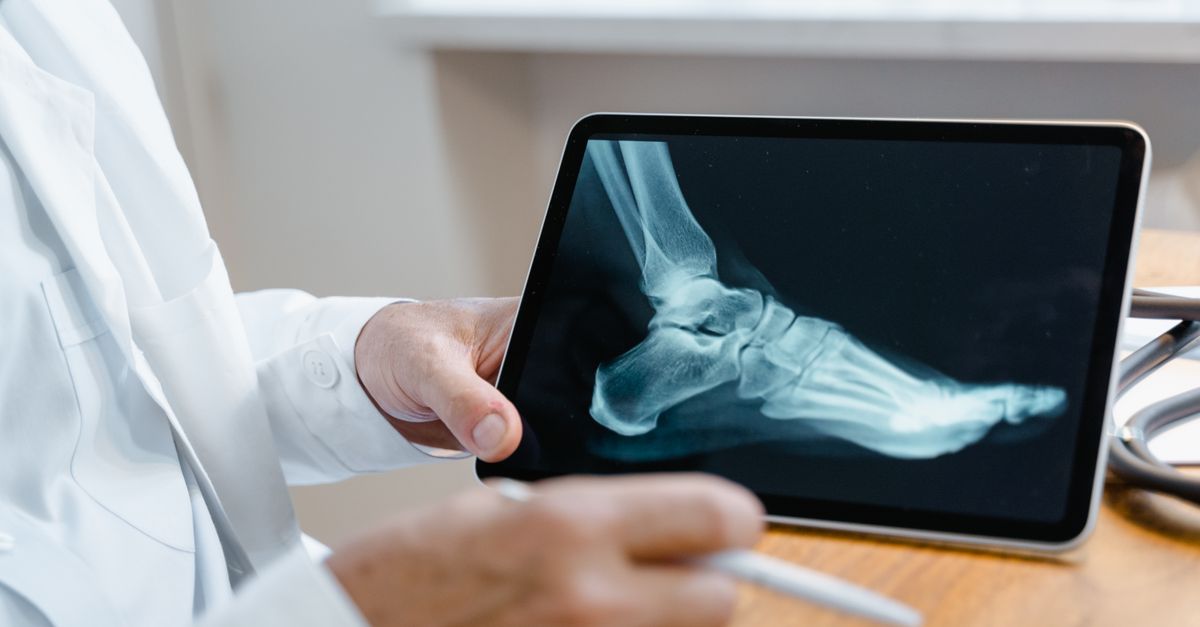
Hearing the word “surgery” about your foot or ankle can stop you in your tracks. Maybe you have been living with pain for months, and now you are facing a recommendation that means time off your feet, recovery, and real uncertainty. It is normal to wonder whether this is truly the right path. Asking for another perspective is not disloyal to your doctor. It is a reasonable, common part of making a well-informed decision about your health.
What Is a Second Opinion?
A second opinion is an independent evaluation from another qualified clinician. They review your history, imaging, and exam, then share whether they agree with the diagnosis and the proposed treatment. Sometimes they confirm the plan. Sometimes they suggest a different approach, such as a non-surgical option or a different type of procedure. Either result gives you more confidence in your decision.
Situations Where a Second Opinion Makes Sense
Not every surgical recommendation needs a second look, particularly when an injury is urgent, such as an unstable fracture or a serious infection. But for planned, elective procedures, it is worth considering another opinion when:
- Surgery was recommended before conservative care such as footwear changes, orthotics, bracing, injections, or physical therapy was tried.
- The diagnosis feels unclear, or your symptoms do not seem to match the explanation you were given.
- The procedure is complex, involves hardware or fusion, or has a long recovery.
- You have had a prior surgery that did not relieve your pain.
- You feel rushed, or your questions were not fully answered.
- You have other health conditions, such as diabetes or circulation problems, that may affect healing.
Why It Matters: What the Evidence Suggests
Many common foot and ankle problems, including plantar fasciitis, Achilles tendinopathy, ankle sprains, and many bunions, often improve with non-surgical treatment. Surgery can be very effective for the right problem at the right time, but it also carries risks such as infection, nerve irritation, stiffness, slow healing, and the chance that symptoms persist. Studies of second opinions across medicine have found that they sometimes change the diagnosis or the treatment plan, which is why many health systems encourage them for major elective procedures.
How to Prepare for a Second Opinion
A little organization helps the visit be productive:
- Request copies of your X-rays, MRI or ultrasound reports, and the actual imaging files if possible.
- Bring notes from earlier visits and a list of treatments you have already tried.
- List your current medications, allergies, and relevant health conditions.
- Write down when your pain started, what makes it better or worse, and how it limits your daily life.
- Bring the shoes you wear most often, since footwear can reveal a lot.
Questions Worth Asking
- What is my exact diagnosis, and how was it confirmed?
- What non-surgical options remain, and what might they achieve?
- What are the realistic benefits and risks of this procedure?
- What does recovery involve, including time off work and weight-bearing limits?
- What happens if I wait or choose not to have surgery?
What If the Opinions Differ?
Two clinicians may reasonably recommend different paths, and that can feel frustrating. Rather than choosing at random, compare the reasoning behind each recommendation. Ask each to explain their thinking, then weigh it against your goals, such as returning to running, standing at work, or simply walking without pain. If you remain unsure, a third opinion or a trial of conservative care with a clear follow-up plan can be reasonable. Contact your insurance plan if you want to understand how coverage works for additional consultations.
Take the Next Step With Confidence
You deserve to feel informed and comfortable with any decision about your feet. If you are considering surgery or have been told you need it, Deann Hofer Ogilvie, DPM, a podiatrist in Lafayette, CO, can review your concerns and talk through your options. Call (303) 537-4714 or reach out through our contact page to schedule a visit. Office hours are Monday through Friday, 9am to 3pm.