
Achilles tendon pain Treatment in Lafayette
Achilles tendon pain can turn every step, stair and workout into a struggle. Deann Hofer Ogilvie, DPM, evaluates the cause of your pain and builds a plan to help you move comfortably again.
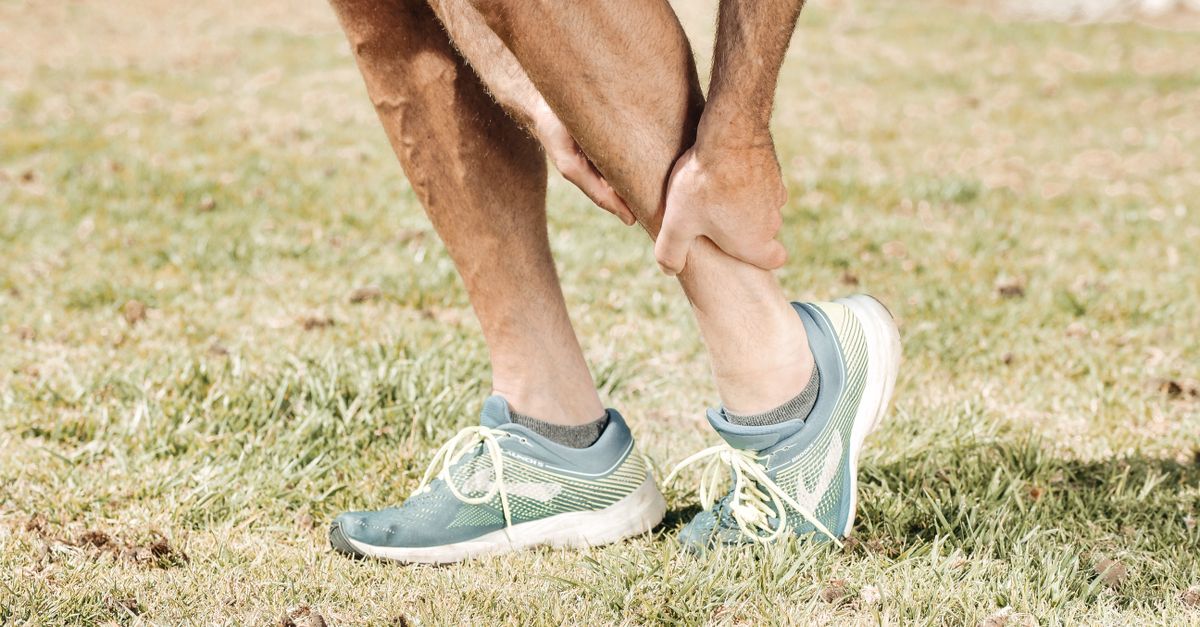
Understanding Achilles tendon pain
The Achilles is the thickest and strongest tendon in the body, connecting the calf muscles to the heel bone. It carries several times your body weight with every stride, allowing you to walk, run, jump and rise onto your toes. Achilles tendon pain is a common reason people seek foot and ankle care, affecting recreational walkers, runners, and weekend athletes as well as people who are on their feet for work. The pain may be felt in the middle of the tendon (midportion tendinopathy) or where it attaches to the heel (insertional tendinopathy), and it can make mornings, exercise and even ordinary errands uncomfortable.
Most Achilles pain develops when the tendon is asked to do more than it has been conditioned for. A sudden increase in mileage, hill work, speed training or a new sport are frequent triggers, especially in an active place like Colorado where trails and elevation changes are part of daily life. Other contributors include tight calf muscles, flat or high-arched feet, worn or unsupportive shoes, and a heel spur or bony prominence at the back of the heel. Age, previous tendon injuries, certain medications such as some antibiotics and corticosteroids, and medical conditions including diabetes and inflammatory disease can raise the risk. Tendons also become less resilient with age, so a once-tolerable routine may begin to cause trouble.
Professional treatment matters because tendon pain that is ignored can progress from irritation to degeneration, and a weakened tendon is more vulnerable to partial tears or a complete rupture. Pain in the back of the heel can also come from other problems, including bursitis, a stress injury or a nerve issue, and each needs a different approach. A podiatrist can identify the true source, correct contributing factors in your foot mechanics and footwear, and guide a safe, progressive rehabilitation plan. Starting care early generally means a simpler path to recovery and a lower chance of recurrence.
Signs & Symptoms of Achilles tendon pain
- Pain at the back of the heel. An aching or burning sensation along the tendon, often just above where it attaches to the heel bone.
- Morning stiffness. The tendon feels tight and sore with the first steps of the day, then eases as you warm up.
- Pain after activity. Discomfort builds after walking, running or climbing stairs and may linger for hours.
- Thickening of the tendon. A firm, enlarged area or nodule can develop where the tendon has been irritated for some time.
- Mild swelling. Puffiness around the back of the ankle that is worse at the end of the day.
- Tenderness to touch. Pinching the sides of the tendon is sore, particularly a few centimeters above the heel.
- Tight calf muscles. Limited ankle flexibility makes it hard to bring your toes toward your shin.
- Reduced push-off strength. Rising onto your toes or climbing hills feels weaker than usual.
What to Expect
- Detailed history and hands-on exam of the tendon, calf and ankle
- Personalized plan combining activity modification, exercise and foot support
- Progressive loading exercises to help the tendon rebuild its capacity
- Follow-up visits to adjust the plan as your tendon heals
- Gradual recovery that can take several months
How We Treat Achilles tendon pain
Assessment
Your visit begins with a conversation about your pain, activity and footwear. Your podiatrist examines the tendon, calf flexibility, ankle motion and the way you stand and walk. Imaging such as X-ray or ultrasound may be used when it will clarify the diagnosis.
Treatment Plan
You receive a personalized plan based on the type and severity of your tendon problem. It typically combines activity modification, a structured exercise program and supportive measures for your feet. Each step is explained so you know what to do and why.
Ongoing Care
Follow-up visits track how your tendon responds and allow the plan to be adjusted. Exercises are progressed as your strength returns. Guidance on footwear and return to activity helps protect the tendon long term.
Benefits
A Personalized Care Plan
Your plan reflects your tendon, your feet, your activities and your goals rather than a one-size-fits-all handout.
Unhurried Time to Ask Questions
You can talk through your diagnosis and options with Deann Hofer Ogilvie, DPM, and leave understanding your care.
Coordinated Follow-up
Follow-up visits keep your treatment on track and let your plan be adjusted as your tendon heals.
Your Treatment Journey
First Evaluation (Week 1)
Expect a detailed history, a hands-on exam of the tendon, calf and ankle, and a review of your footwear and activity. Imaging may be recommended when the diagnosis is unclear. You leave with a clear explanation and an initial plan.
Treatment Begins (Weeks 2-4)
Activity changes, heel support, stretching and early strengthening begin. Many people notice the morning stiffness and sharp pain start to calm, though the tendon is still healing and needs patience.
Progress Review (Months 2-3)
We review how the tendon responds and adjust loading exercises or other treatments. Tendon problems often improve gradually, and a full recovery can take several months.
Long-term Management
Once symptoms settle, the focus shifts to maintaining strength and flexibility, choosing supportive footwear and returning to your usual activities in stages to reduce the chance of recurrence.
Warning Signs That Need Prompt Care
Sudden snap or pop. A pop at the back of the ankle, sometimes felt like a kick, can signal a tendon rupture.
Sharp, severe pain. Sudden intense pain in the heel or calf that stops you from continuing activity needs prompt evaluation.
Inability to rise onto your toes. Being unable to stand on the toes of the affected foot suggests significant tendon injury.
A gap in the tendon. A noticeable dent or gap above the heel can mean the tendon has torn.
Significant swelling or bruising. Rapid swelling or bruising around the heel and calf should not be ignored.
Pain that persists at rest or at night. Ongoing pain without activity suggests the problem is not settling on its own.
Redness, warmth or fever. These may point to infection or inflammation that requires timely assessment.
Difficulty bearing weight. Trouble walking normally or putting weight on the foot warrants an exam.
If you recognize these signs, help is available. Early treatment leads to better outcomes.
Evidence-Based Treatment Approach
Evidence-based care for Achilles tendinopathy centers on progressive loading, such as eccentric and heavy slow resistance calf exercises, which help the tendon rebuild its capacity. These are paired with calf stretching, relative rest from aggravating activities, heel lifts or cushioned inserts to reduce strain, and custom or over-the-counter orthotics when foot mechanics contribute. Ice, and short courses of anti-inflammatory medication when appropriate, may ease symptoms, while a walking boot may be used briefly for severe cases. Physical therapy, shockwave therapy or other options may be discussed if progress is slow, and surgery is considered only when a rupture or persistent problem does not respond to conservative care.
Common Questions About Achilles tendon pain
How long does Achilles tendon pain treatment take?
It depends on how long the problem has been present and how severe it is. Recent irritation may settle within weeks, while longstanding tendon problems often take three months or more of consistent care. Your podiatrist can give a more specific timeline after examining you.
Is medication required?
Not always. Many cases improve with load management, stretching, strengthening, heel lifts and supportive footwear. Anti-inflammatory medication may be considered for short-term relief in some patients, and your physician will discuss whether it is appropriate for you.
Does insurance cover treatment?
Coverage varies by plan and by the services provided. Please call our office at (303) 537-4714 and our staff can help you understand next steps, and you can also confirm details with your insurance company.
What if the first treatment does not work?
Tendon healing is gradual, so the plan is reviewed and adjusted over time. If progress stalls, your podiatrist may change the exercise program, add supports or bracing, order imaging, or discuss other options.
Should I stop exercising with Achilles pain?
Usually you do not need to stop entirely, but you may need to reduce or modify high-impact activity. Complete rest can weaken the tendon, so guided, gradual loading is often preferred.
When should I see a podiatrist in Lafayette?
See someone if heel or tendon pain lasts more than a couple of weeks, keeps returning, or limits your activity. Seek prompt care for a sudden pop, severe pain or inability to rise onto your toes.
Get Help for Achilles tendon pain Today
You don't have to face Achilles tendon pain alone. We are ready to help. Call (303) 537-4714 · 588 North Highway 287, Suite 204, Lafayette, CO 80026 · Mon-Fri 9am-3pm
Schedule an Appointment