
Foot fractures Treatment in Lafayette
A broken bone in the foot can make every step difficult, but with accurate diagnosis and the right protection most people return to the activities they enjoy. Deann Hofer Ogilvie, DPM, provides careful evaluation and individualized fracture care for patients in Lafayette, CO.
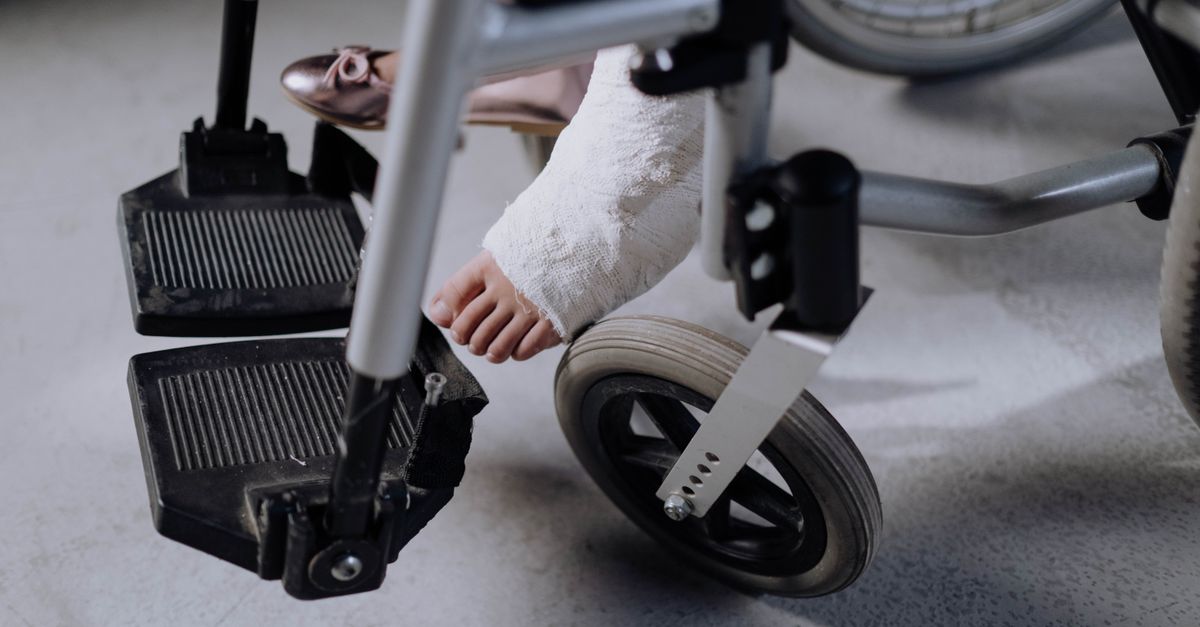
Understanding Foot fractures
The foot contains 26 bones, along with dozens of joints, ligaments and tendons that work together to support your body weight and move you forward. A foot fracture is a break or crack in any of these bones, from the tiny bones of the toes to the long metatarsals of the midfoot and the heel bone. Fractures can be a thin hairline crack, a complete break, or a bone broken into several pieces. They are among the most common injuries podiatrists see, and they can affect anyone from active children to older adults. Even a seemingly small toe fracture can disrupt work, exercise, sleep and daily routines because nearly every movement involves the feet.
Foot fractures have two broad causes. Acute fractures result from a single event such as a fall, a dropped heavy object, a twisting injury, a sports collision or a car accident. Stress fractures develop gradually from repetitive force, often when training volume rises too quickly, when footwear is worn out or unsupportive, or when running on hard surfaces. Risk factors include osteoporosis or low bone density, prior fractures, certain medications, vitamin D or calcium deficiency, high-impact sports, abnormal foot structure such as high arches or flat feet, and conditions like diabetes that affect nerve sensation and bone health. Colorado's active outdoor culture, with running, hiking, climbing and cycling, adds exposure for many residents.
Professional treatment matters because foot bones must heal in the correct position to keep the foot stable and pain free. Fractures that are missed or treated as a simple sprain can heal poorly, develop into nonunion where the bone fails to knit, or lead to chronic pain, deformity and early arthritis. Some fractures, such as those of the fifth metatarsal or the navicular, are known for slow healing and need specific protection. A podiatrist is trained to examine the entire foot and ankle, order the right imaging, decide whether the bone needs immobilization or surgical stabilization, and guide a safe return to activity.
Signs & Symptoms of Foot fractures
- Pain with weight bearing. Walking or standing causes sharp or deep pain that eases with rest.
- Swelling. The top or side of the foot puffs up within hours of the injury or gradually over days.
- Bruising. Discoloration may appear over the injured area and spread toward the toes.
- Tenderness to touch. Pressing on one specific spot on the bone is notably painful.
- Pain that builds with activity. Stress fractures often start mild and worsen with running or prolonged standing.
- Stiffness or reduced motion. Moving the toes or midfoot becomes difficult or uncomfortable.
- Aching at night or rest. A deep, persistent ache can continue even when you are off your feet.
What to Expect
- Careful evaluation of the entire foot and ankle
- Imaging such as X-rays to confirm the fracture and its pattern
- Protection with a boot, cast, or stiff-soled shoe, with surgery discussed if bones are unstable
- Follow-up visits to track healing
- Guided return to walking, work and sport
How We Treat Foot fractures
Assessment
Your podiatrist reviews how the injury happened and examines your foot for swelling, tenderness, alignment and circulation. Imaging such as X-rays is used to confirm the fracture and its pattern, and further imaging may be considered when a stress fracture is suspected. You leave knowing what is broken and what it means.
Treatment Plan
Your plan is built around the specific bone, fracture type, your lifestyle and your health. It may include protective footwear, a boot or cast, activity limits and pain control. If the bones are unstable or displaced, surgical options are discussed openly so you can make an informed decision.
Ongoing Care
Follow-up visits track healing, and repeat imaging may be used to confirm the bone is knitting. As pain settles, you are guided through a gradual return to walking, work and sport. Footwear, strengthening and bone health are reviewed to help lower the chance of another break.
Benefits
A Personalized Care Plan
No two fractures or patients are alike. Deann Hofer Ogilvie, DPM, tailors treatment to your injury, your daily demands and your goals.
Unhurried Time to Ask Questions
You should understand your diagnosis and options. Your visit leaves room to ask about healing, activity limits and what to expect next.
Coordinated Follow-Up
Healing is monitored over time so adjustments are made when needed. Our Lafayette office is open Monday to Friday, 9am to 3pm.
Your Treatment Journey
First Evaluation (week 1)
We review your injury, examine the foot and obtain imaging. You receive a diagnosis, immediate protection such as a boot or shoe, and clear instructions on weight bearing, swelling control and pain management.
Treatment Begins (weeks 2-4)
Immobilization and activity limits continue while early healing takes place. Swelling and pain typically ease during this period, but the bone is still fragile, so it is important to follow weight-bearing guidance even if you feel better.
Progress Review (month 2-3)
Follow-up exams and often repeat X-rays assess whether the bone is healing. Many fractures allow a gradual return to regular shoes and activity now, while slower-healing bones may need more protection.
Long-term Management
Strength, flexibility, footwear and bone health are addressed to restore full function and reduce the risk of re-injury. Some stiffness or occasional swelling can linger for months after a fracture.
Warning Signs That Need Prompt Care
Visible deformity. A foot or toe that looks crooked or out of position may signal a displaced break.
Inability to bear weight. Not being able to put any weight on the foot after an injury needs prompt evaluation.
A snap or crack at injury. Hearing or feeling a pop during a fall or twist suggests a possible fracture.
Numbness or tingling. Loss of sensation in the toes can indicate nerve involvement or severe swelling.
Cold, pale or bluish toes. Color changes may point to compromised blood flow and require urgent care.
Open wound near the injury. Bone that has broken the skin carries infection risk and needs immediate attention.
Rapidly increasing swelling. Severe, tight swelling with escalating pain can be a sign of a serious complication.
Pain that is not improving. Discomfort lasting more than a few days after an injury should be examined.
If you recognize these signs, help is available. Early treatment leads to better outcomes.
Evidence-Based Fracture Care
Evidence-based fracture care centers on protecting the bone while it heals. Non-surgical treatment commonly uses rigid or stiff-soled shoes, walking boots, casts, crutches or knee scooters to limit load, and buddy taping for certain toe fractures. Rest, ice and elevation help control swelling, and acetaminophen or anti-inflammatory medicines may be used for comfort when appropriate for your health. Surgical fixation with screws, pins or plates may be recommended for displaced, unstable or joint-involving fractures. Nutrition, vitamin D and calcium intake, and activity modification are addressed because they influence how well bone heals.
Why Choose Ascend Foot & Ankle Center for Foot fractures Treatment
A Personalized Care Plan, Unhurried Time to Ask Questions, and Coordinated Follow-Up (see benefits).
Contact
Call (303) 537-4714 · 588 North Highway 287, Suite 204, Lafayette, CO 80026
Common Questions About Foot fractures
How long does foot fracture treatment take?
Healing time depends on which bone is broken, the type of fracture and your overall health. Many foot fractures heal over roughly six to twelve weeks, though some take longer. Your podiatrist will explain a realistic timeline after examining your imaging.
Do I need surgery for a broken foot?
Many foot fractures heal without surgery using a boot, cast, protected weight bearing or a stiff-soled shoe. Surgery may be considered when bones are significantly displaced, joints are involved, or a fracture is unlikely to heal on its own.
Is medication required?
Medication is not always required. Over-the-counter pain relievers, ice and elevation help many people, and your podiatrist will advise what is appropriate for you based on your health history.
Does insurance cover foot fracture care?
Coverage varies by plan. Please call the office at (303) 537-4714 and our staff can talk through your questions, and you can also confirm details with your insurance company directly.
What if the first treatment does not work?
If healing is slow or pain persists, your podiatrist will repeat imaging, review activity and bone health factors, and adjust the plan. This may include longer immobilization, different support or discussing surgical options.
Can I walk on a broken foot?
Some minor toe fractures allow limited walking in supportive footwear, but walking on other fractures can cause displacement or delay healing. Have the injury evaluated before deciding how much weight to put on it.
Get Help for Foot fractures Today
You don't have to face Foot fractures alone. We are ready to help.
Schedule an Appointment