
Foot wounds Treatment in Lafayette
Foot wounds that linger can lead to infection and serious complications if they are not cared for properly. Deann Hofer Ogilvie, DPM, evaluates the cause of each wound and builds a plan to help it heal safely.
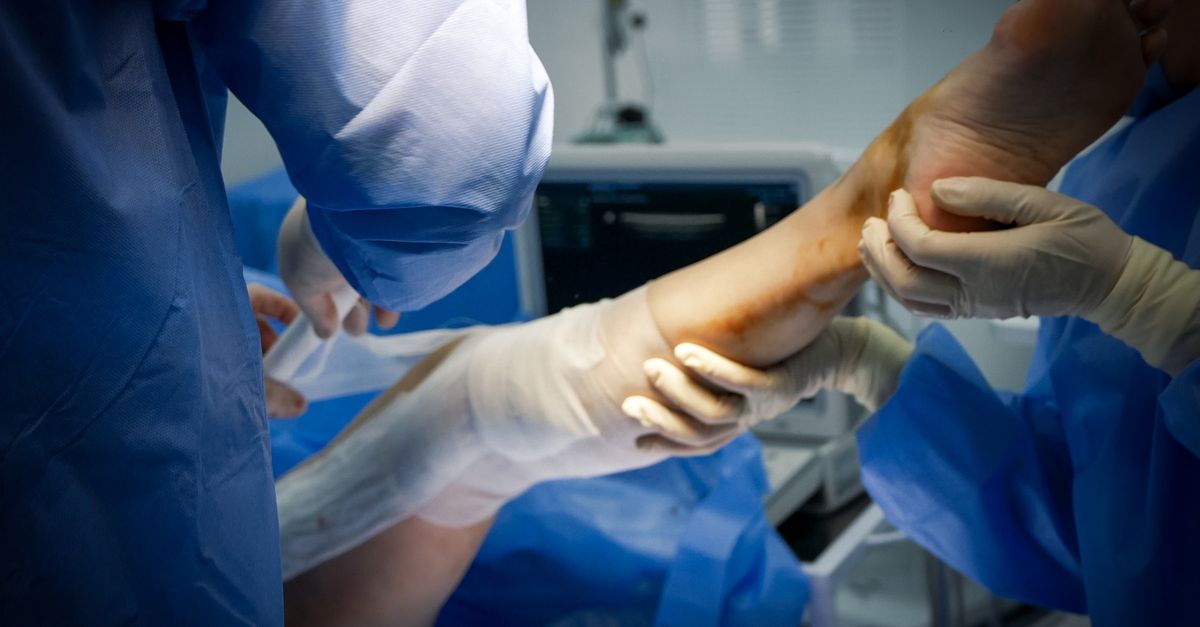
Understanding Foot wounds
A foot wound is any break in the skin of the foot, from a blister, cut or puncture to a deeper ulcer that penetrates toward muscle, tendon or bone. Many wounds heal without trouble, but the feet are a difficult place to heal. They bear body weight with every step, spend the day in warm, enclosed shoes, and sit farthest from the heart, where circulation is most easily compromised. Chronic foot wounds are especially common among people with diabetes, and they can limit walking, work, exercise and sleep while causing worry about infection.
Causes and risk factors are varied. Diabetes and peripheral neuropathy reduce sensation, so injuries from a stone in a shoe or a rubbing seam go unnoticed. Peripheral artery disease and venous insufficiency limit the blood flow and oxygen that tissue needs for repair. Other contributors include repeated pressure from foot deformities such as bunions or hammertoes, ill-fitting footwear, calluses, ingrown toenails, puncture injuries, fungal infections, swelling, smoking, and conditions that weaken healing such as kidney disease or a compromised immune system. Walking barefoot and neglecting daily foot checks also raise the risk.
Professional treatment matters because a wound that looks small on the surface can hide infection or pressure damage beneath it. Untreated wounds can progress to cellulitis, abscess, bone infection and, in severe cases, tissue loss. A podiatrist identifies why the wound formed, removes unhealthy tissue when needed, selects appropriate dressings, relieves pressure and monitors circulation and infection. Treating the cause, not just the opening, is what helps healing last and reduces the chance of recurrence.
Signs & Symptoms of Foot wounds
- Open sore or break in the skin. A visible opening on the sole, heel, toe or top of the foot that does not close within a couple of weeks.
- Drainage. Clear, yellow or bloody fluid that soaks through socks or bandages.
- Redness around the wound. Pink or red skin surrounding the area suggests inflammation or early infection.
- Swelling. Puffiness in the foot or ankle can slow healing and signal underlying problems.
- Tenderness or pain. Aching or sharp pain at the site, though some people feel little because of nerve damage.
- Thick, callused edges. Hard skin built up around a sore often points to repeated pressure.
- Slow healing. A wound that shows no improvement after one to two weeks needs professional evaluation.
- Dark or discolored skin. Changes in color around a wound may reflect poor circulation or damaged tissue.
What to Expect
- Assessment of health history, medications and how the wound developed
- Wound measured and examined for depth and signs of infection
- Treatment tailored to the cause and stage of your wound
- Clear instructions for home care and footwear
- Follow-up visits to track healing and adjust dressings
How We Treat Foot wounds
Assessment
Your podiatrist reviews your health history, medications and how the wound developed. The wound is measured, examined for depth and signs of infection, and your sensation, pulses and foot structure are checked. Imaging or other testing may be recommended when deeper involvement is suspected.
Treatment Plan
Treatment is tailored to the cause and stage of your wound. It may include cleaning, removal of nonviable tissue, selected dressings, pressure relief and antibiotics if infection is present. You receive clear instructions for home care and footwear.
Ongoing Care
Follow-up visits track healing, adjust dressings and confirm the wound is moving in the right direction. Once closed, attention shifts to prevention through footwear guidance, skin care and routine foot checks. Coordinated follow-up helps catch problems early.
Benefits
A Personalized Care Plan
Every wound has its own cause. Deann Hofer Ogilvie, DPM, designs a plan around your wound, your health and your daily routine rather than a one-size-fits-all approach.
Unhurried Time to Ask Questions
You should understand what is happening with your foot. We encourage questions about your wound, dressings and what to watch for at home.
Coordinated Follow-Up
Healing takes repeated checks. Follow-up visits are planned so your progress is tracked and your plan is adjusted as needed.
Your Treatment Journey
First Evaluation (week 1)
We review your history, examine the wound and your foot, and discuss findings. Initial cleaning and a first dressing are typically started, with clear instructions for home.
Treatment Begins (weeks 2-4)
Regular visits focus on wound care, pressure relief and managing any infection. Many wounds begin to shrink in this period, though deeper or complicated wounds may take longer.
Progress Review (month 2-3)
We measure how far the wound has come. If healing has stalled, we reassess for hidden causes and consider changes to the plan or further testing.
Long-term Management
After closure, the skin is still fragile. Protective footwear, daily foot checks and periodic visits help prevent the wound from returning.
Warning Signs That Need Prompt Care
Spreading redness. Red streaks or redness moving up the foot or leg can indicate a spreading infection.
Fever or chills. Systemic symptoms alongside a foot wound need urgent attention.
Foul odor. A bad smell from the wound or dressing suggests bacterial infection or dead tissue.
Pus. Thick yellow, green or cloudy drainage is a classic sign of infection.
Exposed deeper tissue. Seeing tendon, bone or a deep crater means the wound has progressed significantly.
Black or blue tissue. Dark, dying tissue suggests a loss of blood supply and requires prompt care.
Warmth and hardness. A hot, firm, swollen foot may point to deep infection or other serious conditions.
New numbness or cold foot. Sudden loss of feeling or a cool, pale foot can signal circulation trouble.
If you recognize these signs, help is available. Early treatment leads to better outcomes.
Evidence-Based Wound Care Principles
Evidence-based wound care generally rests on a few principles: debridement to remove dead or contaminated tissue, moist wound dressings matched to the amount of drainage, offloading to take pressure off the area (such as padding, special shoes, or protective devices), infection control with cultures and antibiotics when warranted, and attention to circulation and blood sugar control. Which of these apply to you depends on your wound, and your podiatrist will explain the reasoning behind each recommendation.
Contact Information
588 North Highway 287, Suite 204, Lafayette, CO 80026 · (303) 537-4714 · Mon-Fri 9am-3pm
Common Questions About Foot wounds
How long does foot wound treatment take?
It depends on the size, depth, location and your overall health. Small, uncomplicated wounds may close in a few weeks, while deeper wounds or those affected by diabetes or poor circulation can take several months. Your podiatrist will give you a realistic estimate after the first evaluation.
Is medication required?
Not always. Many wounds heal with cleaning, dressings and pressure relief. Antibiotics are used when infection is present, and your physician may discuss other medications depending on your situation.
Does insurance cover foot wound care?
Coverage varies by plan and by the services needed. Our office can talk with you about your questions, and we recommend contacting your insurer to confirm benefits. Call (303) 537-4714 to ask.
What if the first treatment does not work?
Wounds sometimes stall. If healing is not progressing, your plan is reassessed: looking for hidden infection, pressure, circulation problems or other barriers, and adjusting dressings, offloading or other therapies. Referral for additional testing may be considered.
Can I treat a foot wound at home?
Minor scrapes can be washed and covered. But if a wound is on a person with diabetes, neuropathy or poor circulation, is deep, or does not improve within a week or two, have it examined rather than waiting.
When should I see a podiatrist in Lafayette for a foot wound?
See a podiatrist promptly for any wound that is not healing, is draining, is painful or red, or appears in someone at higher risk. Our office is open Monday to Friday, 9am to 3pm. For fever, spreading redness or severe symptoms, seek urgent care.
Get Help for Foot wounds Today
You don't have to face Foot wounds alone. We are ready to help.
Schedule an Appointment