
Ankle fractures Treatment in Lafayette
A broken ankle can upend your mobility, your work and your daily routine. Deann Hofer Ogilvie, DPM, provides specialty medical care in Lafayette, CO to diagnose the injury accurately and guide you through healing and recovery.
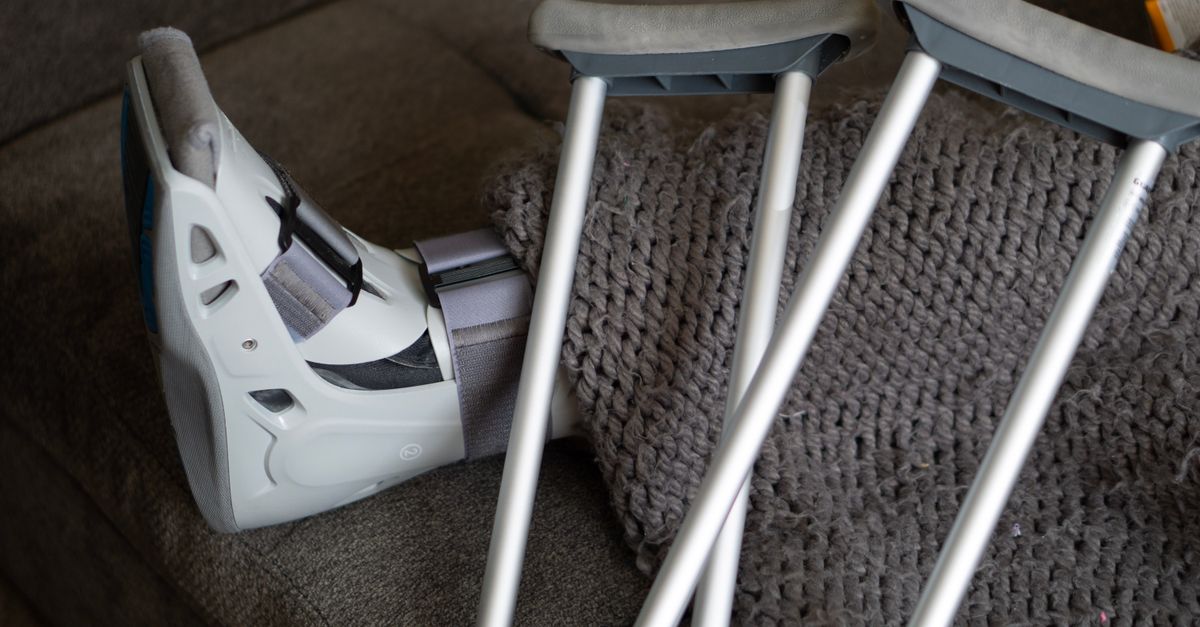
Understanding Ankle fractures
An ankle fracture is a break in one or more of the bones that form the ankle joint: the tibia (shin bone), the fibula (the thinner outer bone of the lower leg) and sometimes the talus, which sits beneath them. Fractures range from small chips of bone to complex breaks in which several bones and ligaments are disrupted and the joint becomes unstable. Ankle fractures are among the more common injuries treated in foot and ankle care, and they affect people of nearly every age, from active adults to older adults who trip at home. Because the ankle carries your full body weight with every step, even a seemingly minor break can limit walking, driving, work and recreation for weeks or months.
Most ankle fractures result from a sudden force: rolling or twisting the ankle, landing awkwardly from a jump, tripping on uneven ground, slipping on ice, or a fall or car collision. Sports that involve cutting and jumping raise the risk, as do high-impact activities on uneven terrain, which is relevant for those who hike and play outdoors in Colorado. Lower bone density, such as with osteoporosis, makes bones more likely to break from a modest fall. Other contributing factors include prior ankle injuries, poor balance, certain medications, smoking, diabetes and nerve conditions that reduce protective sensation in the foot.
Professional treatment matters because the ankle is a tightly fitted joint. If a fracture heals even slightly out of position, the joint surfaces may no longer glide properly, raising the likelihood of chronic pain, stiffness, instability and early arthritis. Some injuries that seem like sprains turn out to be fractures, and ligament damage can accompany the broken bone. A careful exam and imaging identify exactly what is injured, whether the ankle is stable, and whether a cast, boot or surgery offers the best path to healing. Starting the right plan early also reduces the risk of complications such as delayed healing, swelling problems and loss of strength.
Signs & Symptoms of Ankle fractures
- Pain around the ankle. Pain is usually immediate and sharp, and it worsens when you try to move or bear weight.
- Swelling. The ankle swells as fluid and blood collect around the injured bone and soft tissue.
- Bruising. Discoloration often spreads into the foot or up the lower leg within a day or two.
- Tenderness to touch. Pressing on the bony points on either side of the ankle is often very painful.
- Difficulty walking. Putting weight on the leg may be painful or impossible.
- Stiffness. Bending the ankle up, down or side to side feels limited and guarded.
- Pain after a twist or fall. Symptoms that begin after a rolling injury, a fall or a sports collision suggest more than a simple sprain.
What to Expect
- History, exam and imaging establish the diagnosis and whether the ankle is stable
- Treatment may include a cast, protective boot, crutches or knee scooter, or surgical fixation for unstable breaks
- Bone healing often takes roughly six to twelve weeks, with strength and balance recovery taking several more months
- Repeat imaging and follow-up visits track healing and alignment
- Guided rehabilitation restores motion, strength, balance and walking
How We Treat Ankle fractures
Assessment
Your visit begins with a review of how the injury happened and your medical history. Dr. Ogilvie examines the ankle for swelling, alignment, tenderness and circulation, and may order X-rays or other imaging. The goal is to confirm the fracture pattern and determine whether the ankle is stable.
Treatment Plan
Together you review the options, which may include a cast, a protective boot, crutches or a knee scooter, or surgical fixation for unstable breaks. You learn what weight bearing is safe and how to manage swelling and pain. The plan is built around your fracture, your health and your daily demands.
Ongoing Care
Follow-up visits track healing with repeat imaging and checks of alignment and skin. As the bone knits, the plan shifts toward restoring motion, strength and balance. Any setbacks are addressed early so recovery stays on course.
Benefits
A personalized care plan
Deann Hofer Ogilvie, DPM, tailors your plan to your specific fracture, your health and the demands of your life rather than applying a one-size-fits-all approach.
Unhurried time to ask questions
You should leave your visit understanding your diagnosis, your options and what to expect. Your questions are welcome at every step.
Coordinated follow-up
Healing is tracked over time, with check-ins that connect each stage of your recovery so nothing falls through the cracks.
Your Treatment Journey
First Evaluation (Week 1)
Your history, exam and imaging establish the diagnosis. Expect to leave with a protective device, instructions on weight bearing and a plan for swelling and pain. If surgery is needed, it is usually scheduled once swelling allows.
Treatment Begins (Weeks 2-4)
The ankle is protected while early healing takes place. Elevation and strict adherence to weight-bearing limits matter most now. Expect to feel limited; this is a phase of patience.
Progress Review (Month 2-3)
Repeat imaging checks bone healing. If it is progressing, you typically begin more weight bearing and start motion and strengthening exercises. Stiffness and some swelling are normal as activity increases.
Long-term Management
Strength, balance and endurance continue to improve for several months. Some people have lingering swelling or stiffness for a year, and your physician will address any ongoing concerns, including preventing future injury.
Warning Signs That Need Prompt Care
Visible deformity. An ankle that looks crooked, out of place or misshapen needs urgent evaluation.
Bone through the skin. Any open wound near a suspected fracture is an emergency because of infection risk.
Numbness or tingling. Loss of feeling in the foot or toes can signal nerve involvement.
Cold, pale or bluish toes. Color or temperature changes may point to reduced blood flow.
Unable to bear weight. Not being able to take four steps after injury is a reason to be examined promptly.
Severe, escalating pain. Pain that increases despite rest, ice and elevation should not be ignored.
Pain with a popping sound. A snap or crack at the time of injury often accompanies a broken bone.
Persistent symptoms after a "sprain". Ongoing pain beyond a week or two may mean a fracture was missed.
If you recognize these signs, help is available. Early treatment leads to better outcomes.
Treatment Principles
Treatment follows established orthopedic principles. Stable fractures are commonly managed non-surgically with immobilization in a cast or boot, elevation and a period of limited or no weight bearing. Unstable fractures often require open reduction and internal fixation, in which the bones are realigned and held with plates, screws or rods. Acetaminophen or anti-inflammatory medicines may be used for comfort when appropriate for your health. After the bone is stable, guided rehabilitation with range-of-motion work, strengthening, balance training and a gradual return to walking helps restore function. Bone health, vitamin D and smoking cessation may also be discussed because they influence healing.
Why Choose Ascend Foot & Ankle Center for Ankle fractures Treatment
A personalized care plan
Unhurried time to ask questions
Coordinated follow-up
Office Contact
Call (303) 537-4714 · 588 North Highway 287, Suite 204, Lafayette, CO 80026 · Mon-Fri 9am-3pm
Common Questions About Ankle fractures
How long does ankle fracture treatment take?
Many ankle fractures need roughly six to twelve weeks for the bone to heal, though the timeline depends on the fracture pattern, whether surgery is needed, your overall health and whether you smoke. Regaining strength, balance and a normal walking pattern can take several additional months. Your podiatrist will give you an estimate after reviewing your imaging.
Is medication required?
Pain control is commonly part of early care, and your physician will discuss options that suit your health history. Medication is not the treatment for the fracture itself; protecting the bone while it heals, and surgery when needed, is what restores stability. If surgery is planned, additional medications may be discussed.
Does insurance cover ankle fracture care?
Fracture care is generally a medically necessary service, but coverage varies by plan. We do not list specific plans here, so please call (303) 537-4714 to ask about your coverage before your visit.
What if the first treatment does not work?
If a fracture is not healing as expected, or the ankle shifts position, your physician can repeat imaging and adjust the plan. That may mean longer protection, a different type of immobilization or a surgical option. Persistent pain or instability is always worth reporting.
Do all ankle fractures need surgery?
No. Stable fractures in which the bones remain well aligned are often treated with a cast, boot and protected weight bearing. Unstable fractures, displaced bones or injuries that disrupt the ankle joint typically need surgical fixation to restore alignment.
How do I know if it is a fracture or a sprain?
The two can look alike, and only an exam with imaging such as X-rays can tell them apart. If you have significant swelling, bruising, tenderness over the bone or cannot walk comfortably, have it evaluated rather than waiting. Our office is open Monday through Friday, 9am to 3pm.
Get Help for Ankle fractures Today
You don't have to face Ankle fractures alone. We are ready to help.
Schedule an Appointment