
Arch pain Treatment in Lafayette
Arch pain can turn every step into a reminder that something in your foot is under strain. At Ascend Foot & Ankle Center, Deann Hofer Ogilvie, DPM, works to find the cause of your pain and builds a care plan to get you moving comfortably again.
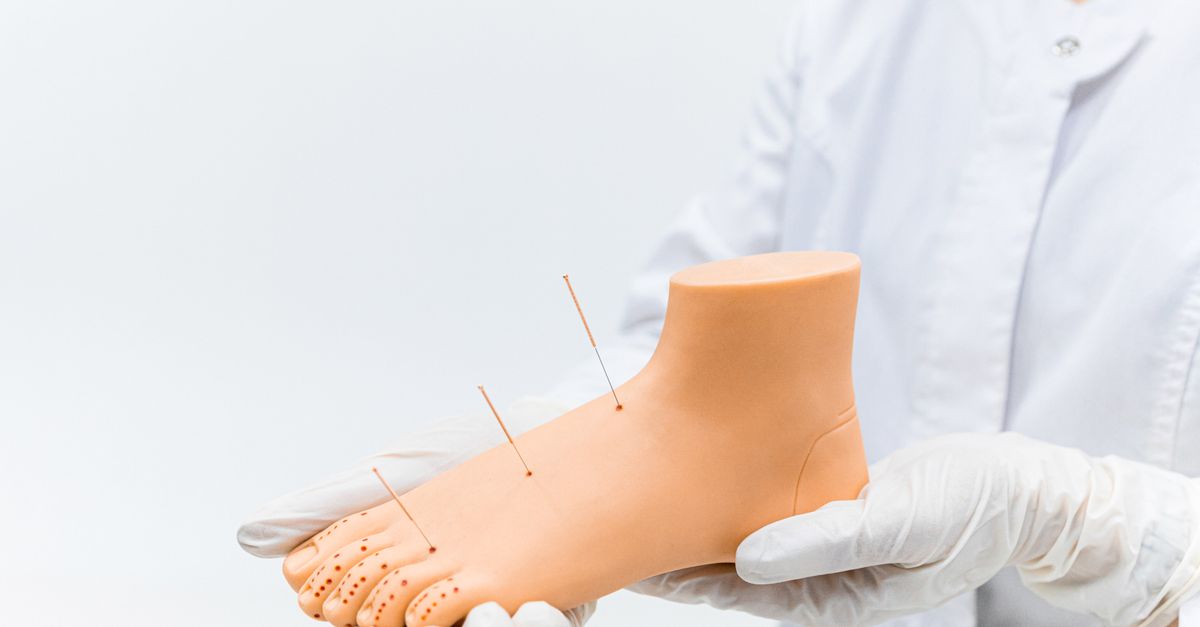
Understanding Arch pain
Arch pain is discomfort felt along the underside of the midfoot, in the curved area between the ball of the foot and the heel. The arch is built from bones, ligaments, tendons, and the plantar fascia, all working together to absorb shock and help the foot push off when you walk. When any of these structures is overloaded or injured, pain can result. Foot pain is among the most common reasons adults seek care, and arch pain affects people who are very active as well as those who spend long hours standing at work. It can make walking, exercise, and even simple errands feel exhausting.
Arch pain has many possible causes. Plantar fasciitis, a strained or inflamed band of tissue under the foot, is among the most frequent. Others include flat feet or very high arches, posterior tibial tendon problems, stress injuries, tight calf muscles, arthritis in the midfoot, and nerve irritation. Risk factors include sudden increases in activity, unsupportive or worn shoes, excess body weight, prolonged standing on hard floors, previous foot or ankle injuries, and inherited foot structure. Pregnancy and certain medical conditions such as diabetes or inflammatory arthritis can also play a role.
Because so many different problems feel similar, guessing at the cause can lead to treatments that do not help, or that delay recovery. A professional evaluation identifies what is actually driving your pain, rules out more serious conditions such as a stress fracture or tendon tear, and allows treatment to target the source. Addressing arch pain early often means simpler treatment, less time away from the activities you enjoy, and a lower chance that the problem becomes chronic or changes the way you walk, which can strain your knees, hips, and back.
Signs & Symptoms of Arch pain
- Aching along the arch. A dull or burning ache on the inside or middle of the foot, often worse after long periods on your feet.
- Pain with first steps. Sharp discomfort in the arch or heel when you get out of bed or stand after sitting.
- Pain after activity. Soreness that builds during or after walking, running, or standing on hard surfaces.
- Tightness or stiffness. The arch and calf may feel tight, especially in the morning.
- Fatigue in the feet. Feet tire quickly, and the arch feels strained by evening.
- Mild swelling. Puffiness along the inner arch or ankle after a long day.
- Pain in certain shoes. Flat, unsupportive footwear or worn-out shoes make the arch ache more.
- Relief with rest. Symptoms often ease when you sit or take weight off the foot.
What to Expect
- A detailed history and hands-on exam of your foot, ankle, and gait
- Imaging such as X-rays may be recommended when needed to confirm the diagnosis
- Care usually starts conservatively with supportive footwear, arch supports, stretching, and activity changes
- Follow-up visits to adjust the plan based on how you respond
- Ongoing management to help keep the problem from returning
How We Treat Arch pain
Assessment
We begin by listening to your history, your activities, and your footwear. Your foot, ankle, and walking pattern are examined by hand to locate the source of pain. Imaging such as X-rays may be recommended when needed to confirm the diagnosis.
Treatment Plan
Your plan is built around the cause of your pain and your daily life. It may include supportive footwear, arch supports, stretching, and activity changes. You will know what each step is for and what to expect from it.
Ongoing Care
We follow up to see how you are responding and adjust the plan when needed. If something is not working, we reconsider the approach rather than continuing it. Once you are better, we help you keep the problem from returning.
Benefits
A Personalized Care Plan
Your arch pain is not the same as anyone else’s. Deann Hofer Ogilvie, DPM, tailors recommendations to your foot, your activities, and your goals.
Unhurried Time to Ask Questions
We want you to understand your diagnosis and options, so you have space to ask questions and talk through concerns.
Coordinated Follow-up
Follow-up visits keep your plan on track, so adjustments are made based on how you are actually responding.
Your Treatment Journey
First Evaluation (Week 1)
Your visit centers on a detailed history and a hands-on exam of your foot, ankle, and gait. Imaging may be recommended if the exam suggests it. You leave with a clear understanding of the likely cause and a plan to start.
Treatment Begins (Weeks 2-4)
Most conservative care starts right away: activity changes, supportive footwear, stretching, and often arch support. Many people notice early improvement in morning pain, though full relief usually takes longer.
Progress Review (Month 2-3)
We review how your symptoms have responded and adjust the plan. If progress is slow, we may modify supports, add therapies, or revisit imaging and the diagnosis.
Long-term Management (Ongoing)
Arch pain can return if the underlying mechanics are not addressed. Continued stretching, good footwear, and periodic check-ins help keep you active and comfortable.
Warning Signs That Need Prompt Care
Sudden, severe pain. Intense arch pain that starts abruptly may signal a tear, sprain, or fracture.
Inability to bear weight. Difficulty putting any weight on the foot needs prompt evaluation.
Visible deformity. A change in the shape of the arch, or a foot that looks flatter or turned outward.
Significant swelling or bruising. Marked swelling or discoloration after an injury should be examined.
Redness and warmth. A hot, red, swollen foot can indicate infection or inflammation.
Numbness or tingling. Nerve symptoms in the arch or toes may point to nerve compression.
Pain at night or at rest. Persistent pain that does not ease with rest deserves attention.
Diabetes with any foot pain. People with diabetes should have new foot pain or wounds checked quickly.
If you recognize these signs, help is available. Early treatment leads to better outcomes.
Evidence-Based Treatment for Arch pain
Evidence-based care for arch pain usually starts conservatively. Common measures include relative rest and activity modification, calf and plantar fascia stretching, strengthening of the foot and ankle muscles, and supportive or well-cushioned shoes. Over-the-counter or custom orthotic devices can redistribute pressure and support the arch. Ice, taping or strapping, and short-term use of anti-inflammatory medication may help calm symptoms when appropriate for the individual. Physical therapy, night splints, or bracing may be added for stubborn cases. When a stress fracture, tendon tear, or significant structural problem is found, further imaging and more advanced treatment options can be discussed.
Why Choose Ascend Foot & Ankle Center for Arch pain Treatment
See the benefits listed above.
Office Contact
(303) 537-4714 · 588 North Highway 287, Suite 204, Lafayette, CO 80026 · Mon-Fri 9am-3pm
Common Questions About Arch pain
How long does arch pain treatment take?
It depends on the cause and how long symptoms have been present. Many cases of overuse-related arch pain improve over several weeks to a few months with consistent conservative care. Longstanding or structural problems can take longer, and your podiatrist will give you a realistic timeline after your exam.
Is medication required?
Not always. Many people improve with stretching, supportive shoes, orthotics, and activity changes. Anti-inflammatory medication may be suggested for some patients when appropriate, based on your health history.
Does insurance cover arch pain treatment?
Coverage varies by plan and by the services recommended. Please call our office at (303) 537-4714 and our staff can talk with you about your questions before your visit.
What if the first treatment does not work?
Arch pain has several possible causes, so a first approach does not always resolve it. If you are not improving, your plan can be adjusted, additional imaging considered, and other options explored.
Should I see a podiatrist or wait it out?
Mild soreness after an unusually long day may settle with rest. Pain lasting more than a couple of weeks, pain that keeps returning, or pain that limits walking is worth evaluating before it becomes harder to treat.
Where is the office and when can I be seen?
Ascend Foot & Ankle Center is at 588 North Highway 287, Suite 204, Lafayette, CO 80026. Office hours are Monday through Friday, 9am to 3pm. Call (303) 537-4714 to ask about scheduling.
Related Conditions
Get Help for Arch pain Today
You don't have to face Arch pain alone. We are ready to help.
Schedule an Appointment